**The Small Metal Pieces My Grandma Saved — And the Story They Quietly Held**
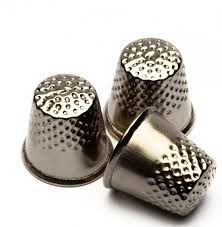
When we began cleaning out my grandmother’s house, I expected dust, old photographs, and the familiar scent of time standing still. What I didn’t expect was a small tin hidden in the back of a dresser drawer—heavy, cold, and faintly rattling when I lifted it. Inside were these objects: dozens of small, metal pieces, each textured, worn, and strangely deliberate in design.
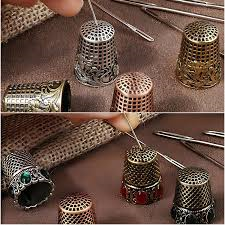
At first glance, they looked important. Not decorative, not random. They were clearly used, some more than others, their surfaces dulled by years of handling. I spread them out on the kitchen table, sunlight catching the dimples and edges, and felt an odd pull of curiosity. My grandmother had kept almost nothing she didn’t need. If she saved these, they mattered.
The house was quiet as I tried to make sense of them. They weren’t jewelry. Not tools I recognized. Not toys. Some were silver, others brass, a few darkened almost black with age. They felt personal—like something meant to be held repeatedly, over and over, across many years.
That night, I couldn’t stop thinking about them. My grandmother had lived through war shortages, raised children on little money, sewed her own clothes, fixed things instead of replacing them. She believed in usefulness. In preparation. In never wasting what might someday be needed.
The next morning, I asked my uncle if he recognized them. He stared for a long moment, then smiled in a way that surprised me.
“She never threw anything away,” he said. “Especially things that helped her work.”
That was when the story began to come together.
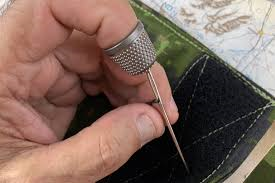
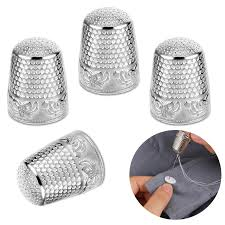
These weren’t mysterious at all—not to her. They were practical. Everyday objects from a time when hands did most of the work and small tools mattered. She had used them while sewing, repairing clothes late at night, mending uniforms, hemming dresses, saving fabric when money was tight. Each one represented patience, repetition, and quiet resilience.
Suddenly, they didn’t feel strange anymore. They felt intimate.
I realized then that the real mystery wasn’t what they were—but how easily we forget the lives that came before us. How many ordinary objects once carried extraordinary meaning. How much effort, care, and survival can be hidden inside something small enough to fit in a drawer.
I placed them back in the tin, gently this time. Not because I still didn’t know what they were—but because now I knew exactly why she kept them.
And somehow, that felt more important.