“The Woman Who Saved 2,500 Children and Never Said a Name”
By the time they understood what she had done, 2,500 children were already beyond their reach.
Warsaw, 1942.
Irena Sendler was only 32 years old. She carried no weapon—only a social worker’s pass and a courage so fierce it defied every instinct to stay alive.

Beyond the walls of the Warsaw Ghetto, nearly half a million Jewish men, women, and children were imprisoned. Hunger spread. Disease followed. Deportations came next—destinations whispered with dread, places no one returned from.
Most people turned away.
Irena stepped inside.
On paper, she was assigned to monitor outbreaks of illness. In truth, she was smuggling children out of a living nightmare.
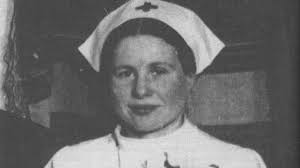
Hidden compartments inside toolboxes.
Sacks of potatoes.
Coffins carrying life instead of death.
An ambulance with a barking dog to drown out the cries of infants.
Every crossing meant execution if discovered.
Every child rescued was a victory stolen from death itself.
But Irena understood something crucial:
Saving a child’s body was not enough. Their identity had to survive too.
She carefully wrote each child’s real name alongside their new false identity—parents, relatives, origins—on delicate scraps of tissue paper. She sealed those lists inside glass jars and buried them beneath an apple tree.
A promise to the future: Even if the world forgets you, your name will endure.
For more than a year, she lived between terror and resolve—persuading parents to give up their children, knowing it might be the last time they ever held them.
Then, in October 1943, the Gestapo caught her.
They beat her.
They crushed her legs until they broke.
They demanded names, addresses, networks.
She gave them nothing.
Not one child.
Not one family.
Not one life.
She was sentenced to death by firing squad.
But the resistance bribed a guard. Her name was marked as “executed.” She escaped—crippled, in hiding, yet still helping where she could.
After the war, she returned to the apple tree.
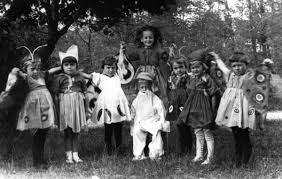
Inside the buried jars were 2,500 names.
2,500 children remembered.
2,500 stolen identities preserved.
Most of their parents were gone. But the children knew who they were.
For decades, her story remained largely unknown.
Then, in 1999, four students uncovered it—and the truth finally spread.
When asked why she did it, Irena Sendler answered simply:
“Every child saved with my help is the justification of my existence on this Earth.”
She never claimed to be a hero.
History decided otherwise.
2,500 children.
One woman.
Broken legs that never healed.
And a silence that saved lives.
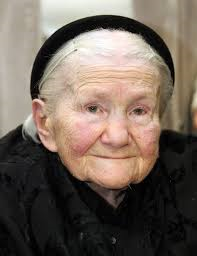
This is the legacy of Irena Sendler.