“Kristen Stewart’s Quiet Rebellion Against Hollywood”
Kristen Stewart has always been known for quietly pushing against expectations, but her latest move may be one of her boldest yet.
When Stewart chose to film her directorial debut, The Chronology of Water, not in the United States but in Latvia, many assumed it was simply an artistic choice. In reality, it was something much deeper. For Stewart, it became a form of protest—an unspoken stand against a climate she believes is becoming increasingly hostile to independent filmmakers.
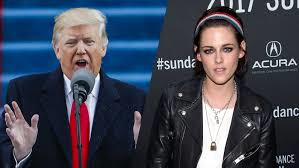
In recent interviews, Stewart has described how the looming threat of tariffs on foreign-made films under Donald Trump has cast a long shadow over the industry. These proposed policies, she says, have created uncertainty that goes far beyond budgets and production schedules. They’ve introduced a sense of fear—fear that creative expression itself can be targeted, restricted, or punished by political decisions.
For independent artists, that uncertainty is devastating. Films like Stewart’s are often made on tight margins, relying on international partnerships, flexible shooting locations, and creative freedom to survive. When trade policies begin to dictate where and how art can be made, the foundation of that system begins to crack.
Stewart feels this pressure personally. Now dividing her time between Los Angeles and New York, she has started to imagine a future that looks very different from the one she once expected. Instead of her films being born on American soil, she increasingly envisions them being created in Europe—where she believes the artistic environment feels less politically constrained—and then traveling back to American audiences.
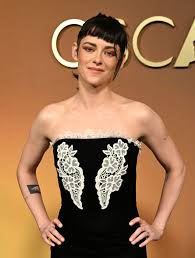
What makes this shift even more striking is Stewart’s long and public history with Donald Trump. Years ago, he famously criticized her over her personal life, turning her into a tabloid target. But what was once a personal feud has evolved into something far more meaningful. In Stewart’s eyes, it has become symbolic of a larger struggle over creative control, freedom of expression, and who gets to decide where stories are allowed to exist.
Her decision to film in Latvia was not just about scenery or logistics—it was about sending a message. It was a way of saying that art cannot thrive when it feels watched, pressured, or politically boxed in. Stewart isn’t walking away from American audiences, but she is stepping outside of a system she feels is becoming too restrictive.
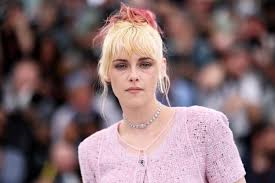
In doing so, she joins a growing number of artists who are rethinking where and how they create. For Stewart, the future of filmmaking may lie across the Atlantic, where she believes creativity still has room to breathe freely. And while her films may still find their way back to American screens, the message behind their creation will be clear: artistic freedom should never be dictated by fear.