The Quiet Signals We Ignore Until It’s Too Late
I never considered myself especially attuned to my surroundings. I wasn’t the type to notice subtle shifts in a room or question every unfamiliar sound. A few nights spent at my friend’s former apartment changed that completely.
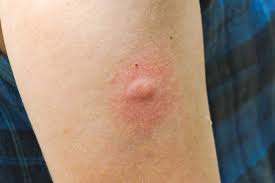
The first bump on my arm seemed insignificant. A small irritation, easy to dismiss. I assumed it was a mosquito bite or a reaction to unfamiliar bedding. I barely gave it a second thought.

But then another appeared. And another.
By the second night, the pattern became impossible to ignore. The bumps weren’t random. They surfaced in clusters, appearing in the same areas where my body pressed against the mattress — my shoulders, lower back, and legs. Each itch was mild on its own, but together they formed a quiet warning my body was clearly trying to deliver.
At first, I searched for simple explanations. Maybe it was laundry detergent. Maybe stress. Maybe something I ate. Yet nothing in my routine had changed. My soap, my clothes, my diet — all were familiar.
The only difference was the space.
That realization carried weight. Old apartments don’t just hold memories; they hold residue. Invisible traces of past lives linger in fabric, wood, and dust — unnoticed until something reacts.
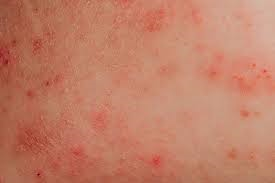
I had read about bed bugs, mites, mold, and other unseen occupants before. But knowing they exist in theory is different from feeling their presence on your own skin. My body seemed to recognize the threat before my mind was ready to name it.
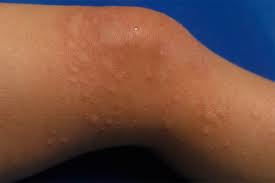
Some bumps faded quickly, barely leaving a mark. Others lingered, pulsing with irritation that made sleep difficult. I scratched in my sleep and woke to new clusters forming elsewhere. The uncertainty became more unsettling than the itching itself.
That night, I started paying closer attention.
I inspected the mattress seams with care, ran my fingers along the edges of the bed frame, studied the headboard, and checked every crease and shadow. I washed everything I had brought with me — clothes, towels, blankets, even my bag. Showers became deliberate, almost ritualistic, as if I were trying to rinse the space itself from my skin.
Taking action brought a sense of control.
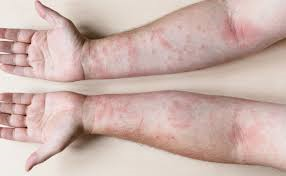
By the third night, a clearer pattern emerged. The bumps appeared most often near where the mattress met the frame — a subtle but telling detail. I couldn’t see anything moving, but the evidence was there. The small punctures, faint redness, and persistent itch strongly suggested bed bugs.
What struck me most was how quickly my body had responded. Skin reacts faster than thought. It senses changes the mind hasn’t yet processed, translating them into physical signals meant to be noticed.
Once I took extensive precautions — repeated washing, vacuuming, protective treatments — the irritation slowly faded. But the lesson stayed.
Discomfort isn’t meaningless. It’s information.
Our bodies constantly communicate with us, though we often dismiss the signals as minor annoyances. In reality, sensations like itching or irritation can be early warnings — a form of environmental awareness that operates beneath conscious thought.
That apartment taught me to respect the invisible histories spaces carry. A place can appear clean and orderly while still holding remnants of past occupants — allergens, pests, residues — quietly influencing those who enter.
My skin became a kind of translator, revealing what my eyes couldn’t see. Each cluster of bumps told part of a story: of neglect, unnoticed infestations, or environmental imbalance. Learning to interpret those signs felt like developing a new literacy — the ability to read spaces through sensation.
The psychological impact was just as real as the physical one. Objects I once trusted — the mattress, the carpet, the pillows — suddenly felt charged with possibility. Sleep became a negotiation between rest and alertness. I had to remain aware without letting fear take over.
That balance reinforced something important: the body is an incredibly sensitive instrument. It often detects threats long before logic intervenes.
Looking back, I realize how rarely we listen this closely. We move through spaces assuming neutrality, focusing on what we can see and touch. But when the body starts to speak — through patterns, persistence, and location of discomfort — the message is rarely random.
Responding meant acting thoughtfully, not panicking. Checking, cleaning, washing, and paying attention. It was a dialogue with my own senses.
Even years later, the memory lingers. It reminds me that environments shape us in subtle ways. That unseen factors matter. And that ignoring bodily signals is easy — but costly.
That small, itchy apartment taught me that discomfort is not just nuisance; it’s insight. Listening doesn’t mean fear. It means respect — for the intelligence of the body and the complexity of the spaces we inhabit.
Unfamiliar places carry unseen histories, and our skin is often the first to recognize them. When the body reacts, it’s worth listening.
Those bumps weren’t just irritation. They were messages. And by paying attention, I gained not only relief, but understanding — a reminder that awareness begins not with sight, but with sensation.