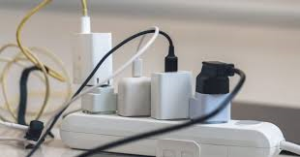
The Silent Risk of Leaving Phone Chargers Plugged In
Walking out the door with your phone in hand feels routine, but the charger left behind doesn’t simply switch off. Even when nothing is connected, it continues pulling a small amount of electricity, warming slightly and drawing power hour after hour. One charger barely seems worth mentioning, yet when several are plugged in throughout a home, those tiny, unnoticed draws quietly combine into ongoing energy waste. It’s not dramatic or visible — just steady and persistent.
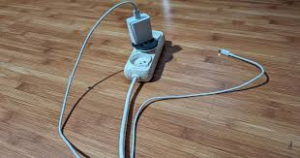
What often goes unnoticed is what’s happening out of sight. Chargers don’t stay frozen in time while idle; their internal parts slowly degrade, especially with low-quality or counterfeit adapters. Wall outlets can loosen, plugs can heat unevenly, and cords that appear perfectly fine may already be breaking down internally. Because problems rarely appear right away, the habit feels harmless — until the rare moment when a small weakness turns into a real issue.
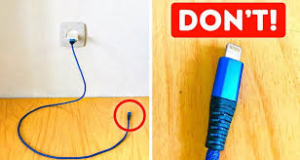
Electricians see patterns most homeowners never do. When something goes wrong, the same details show up again and again: worn cords, overloaded strips, aging chargers left plugged in nonstop. The risk isn’t about constant danger, but about quiet likelihood — the kind that builds slowly and only becomes visible when conditions line up at the wrong time. The takeaway isn’t fear, but awareness.
Unplugging a charger once you’re finished takes almost no effort, yet it offers real benefits. It cuts unnecessary energy use, helps devices and outlets last longer, and removes one more unnoticed strain from your home. In a world built to stay permanently powered, this simple habit restores a bit of control — a reminder that safety, savings, and peace of mind often begin with the smallest choices.