Why Nighttime Leg Cramps Become More Common After 60
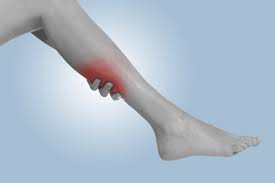
You wake suddenly in the dead of night, your body refusing to cooperate. A sharp, relentless pain grips your calf as the muscle tightens uncontrollably, twisting into a rigid knot. Every movement sends waves of burning discomfort, as if the muscle is trapped in an unseen clamp.

This experience is alarmingly common among older adults. What may begin as a brief spasm can quickly turn into intense pain that lingers long after the muscle finally relaxes. For many people over the age of 60, nighttime leg cramps are not rare interruptions—they are recurring, often expected episodes that disrupt sleep and raise concerns about overall health.
Medical data supports how widespread the issue is. The American Academy of Family Physicians reports that approximately 60% of adults over 60 experience nocturnal leg cramps at least once a month, while nearly one-third endure them on a weekly basis. Commonly referred to as “charley horses,” these cramps are frequently brushed off as a normal part of aging. Yet growing evidence suggests that repeated episodes can sometimes point to deeper cardiovascular, neurological, or circulatory issues.
Why the Calves Take the Hit
Nighttime cramps most often strike the calf muscles, specifically the gastrocnemius and soleus. These muscles are essential for everyday movement—walking, standing, and maintaining balance. Over time, they become particularly vulnerable to involuntary contractions.

After age 30, muscle mass naturally begins to decline in a process known as sarcopenia, with the rate of loss accelerating significantly after 60. As muscle fibers thin and weaken, they become more susceptible to sudden, uncontrolled tightening.
Changes in the nervous system further increase the risk. Aging slows nerve conduction, reducing the precision of signals sent from the spinal cord to the muscles. A small nerve misfire that once would have gone unnoticed can now activate multiple muscle fibers at once, producing a powerful, painful contraction that may last several minutes—or even longer in severe cases.
Circulation also plays a role. During sleep, blood flow to the legs decreases, limiting oxygen and nutrient delivery to already compromised muscles. This temporary reduction in circulation, known as transient ischemia, creates ideal conditions for cramps to occur—often in the early morning hours when blood flow is at its lowest.
When Night Cramps Point to Something More
While many nighttime leg cramps are harmless, frequent or severe episodes can sometimes signal underlying health problems. Potential contributors include:
-
Peripheral artery disease (PAD): Reduced blood flow caused by narrowed arteries can increase cramp frequency and may indicate elevated risk for heart attack or stroke.
-
Electrolyte imbalances: Deficiencies in magnesium, potassium, or calcium can disrupt normal muscle function and trigger spasms.
-
Medication effects: Certain drugs, including diuretics, statins, and beta-agonists, may raise the likelihood of cramps by affecting electrolytes or neuromuscular signaling.
-
Chronic illnesses: Conditions such as type 2 diabetes, thyroid disorders, and kidney disease can impair nerve health or circulation, making cramps more common and more intense.
Understanding these risk factors is critical. Nighttime leg cramps are not always just an inconvenience—they can serve as early warning signs that prompt further evaluation and preventive care. Recognizing when cramps are frequent, worsening, or accompanied by other symptoms can help ensure underlying issues are addressed before more serious complications develop.