ICE Arrest Sparks New Debate Over Immigration Enforcement in Minnesota
A case involving a convicted sex offender who lived openly in Minneapolis for years has reignited debate over immigration enforcement and so-called “sanctuary” policies in Minnesota. Federal officials argue the situation exposes serious flaws in coordination between local governments and immigration authorities.

U.S. Immigration and Customs Enforcement (ICE) announced that Mahad Abdulkadir Yusuf, a Somali national, was taken into custody during a targeted operation on December 31, 2025. According to ICE, Yusuf had been convicted in 2016 of first-degree criminal sexual conduct and also had an outstanding warrant from 2024 related to obstructing law enforcement.
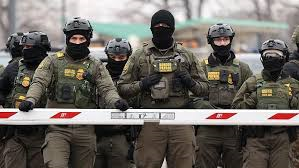
Federal authorities have directly criticized Minnesota’s immigration policies under Governor Tim Walz and Minneapolis Mayor Jacob Frey, claiming those policies restricted cooperation and allowed Yusuf to remain free for an extended period. ICE officials say earlier attempts to detain him were unsuccessful, including an incident in which officers were allegedly prevented from entering his apartment building after a manager refused access.
Local leaders and supporters of sanctuary-style policies push back on that narrative, stating such approaches are designed to foster trust between immigrant communities and law enforcement. They argue that when residents feel protected from immigration consequences, they are more likely to report crimes and cooperate with police. Both Walz and Frey have emphasized the importance of safeguarding immigrant communities while maintaining public safety.
ICE officials, however, contend that the case underscores a difficult balance between building community trust and ensuring safety. They warn that limited collaboration and community resistance can sometimes allow individuals with serious criminal histories to evade detention.
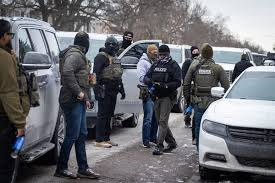
Yusuf’s arrest comes amid intensified immigration enforcement efforts across Minnesota, where federal agents have recently detained other individuals with significant criminal records. ICE maintains that these operations prioritize individuals who pose threats to public safety.
Critics of expanded federal enforcement argue that ICE actions have, at times, swept up community members without sufficient legal basis, deepening mistrust and sparking legal disputes.
Overall, the case has further fueled the ongoing political conflict over immigration policy, public safety, and the boundaries of federal and local authority in cities such as Minneapolis.