That Little Button on Your Dashboard Does More Than You Think
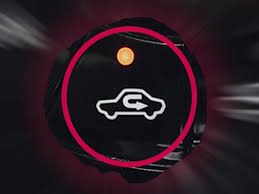
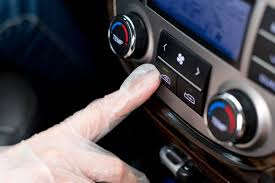
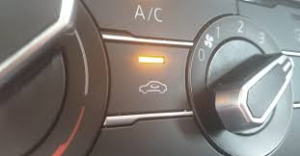
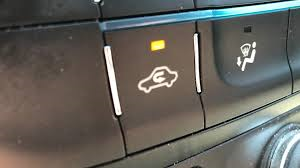
For many drivers, the dashboard displays a small, familiar symbol: a car outline with a curved arrow looping inside it. That icon represents the air recirculation system—one of the most useful yet frequently overlooked features in modern vehicles.
When used correctly, air recirculation can greatly improve driving comfort, enhance cabin air quality, boost energy efficiency, and even support safety. Knowing how the system works, when to use it, and when to turn it off allows drivers to get the most out of their vehicle’s climate controls.
How the Air Recirculation System Functions
The air recirculation system operates through a simple but effective design built into most vehicles’ heating, ventilation, and air conditioning (HVAC) systems. Cars typically offer two airflow settings:
Fresh Air Mode:
When recirculation is off, outside air is drawn into the cabin through the ventilation system. This air passes through the cabin air filter, which removes dust, pollen, and debris before the air is cooled or heated and released inside. This mode ensures a steady supply of fresh oxygen and prevents the interior air from becoming stale.
Recirculation Mode:
When recirculation is activated, an internal flap closes off the intake of outside air. The system then continuously reuses the air already inside the cabin. Because this air has already been heated or cooled, the HVAC system works more efficiently, reaching the desired temperature faster while using less energy.
In newer vehicles, this process is managed by advanced technology. Temperature sensors track both cabin and exterior conditions, humidity sensors help reduce fogging, and some models even include air quality sensors that automatically switch recirculation on or off when pollution levels rise.
Advantages of Using Air Recirculation
Using air recirculation properly offers a range of benefits that go beyond simple comfort.
Faster Cooling in Hot Weather
Recirculation allows your air conditioner to cool the cabin more quickly by reusing already chilled air rather than constantly pulling in hot air from outside. This reduces strain on the AC system and can lower fuel consumption in gas-powered vehicles.
More Efficient Heating in Cold Conditions
In colder climates, recirculating warm air helps the cabin heat up faster. This is especially helpful during winter mornings, reducing energy use and allowing passengers to feel comfortable sooner.
Reduced Exposure to Air Pollution
In cities, traffic congestion, or industrial areas, outside air can contain harmful pollutants like carbon monoxide, nitrogen oxides, and fine particulate matter. Recirculation limits the amount of contaminated air entering the cabin, creating a safer environment—particularly for children, older adults, and those with respiratory conditions.
Relief for Allergy Sufferers
Pollen, dust, and mold spores can easily enter a vehicle when fresh air mode is active. Using recirculation, especially with a clean cabin air filter, reduces allergen exposure and helps prevent symptoms such as sneezing, congestion, and irritated eyes.
Better Odor Control
Passing through areas with strong smells—such as farms, construction zones, or heavy traffic—can quickly make a car unpleasant. Recirculation helps keep odors out, and vehicles with activated carbon filters further reduce chemical smells and airborne contaminants.
Improved Energy Efficiency
By reducing the workload on the HVAC system, recirculation improves fuel efficiency in gas-powered vehicles and extends driving range in electric vehicles. This can make a noticeable difference during extreme weather or long trips.
When Recirculation Should Be Avoided
Despite its benefits, recirculation should not be used continuously in all situations.
Cold or Rainy Weather
In damp or cold conditions, moisture can build up inside the cabin when air is constantly recycled. This can cause windows to fog, reducing visibility and increasing safety risks. Switching to fresh air mode helps remove excess humidity.
Extended Drives
During long trips, constant recirculation can lower oxygen levels and increase carbon dioxide inside the vehicle. This may lead to fatigue, headaches, or reduced concentration. Alternating between fresh air and recirculation helps keep the driver alert.
Preventing Stale Air
Even in clean environments, recycled air can become stale over time. Introducing fresh air periodically keeps the cabin feeling comfortable and breathable.
Common Myths About Air Recirculation
-
“It’s only for air conditioning.” Recirculation also improves heating efficiency and air quality.
-
“It’s fine to leave it on all the time.” Continuous use can cause fogging and stale air.
-
“It replaces air filtration.” Recirculation limits new pollutants but relies on a functioning cabin air filter to clean incoming air.
The Role of the Cabin Air Filter
The cabin air filter plays a crucial role in both fresh air and recirculation modes. It traps dust, pollen, and debris, while activated carbon filters also absorb odors and chemical pollutants.
Maintenance Guidelines:
-
Replace the filter every 12,000–15,000 miles, or sooner in polluted or dusty areas.
-
A dirty filter restricts airflow and reduces HVAC performance.
-
Drivers in high-smog regions may benefit from high-efficiency or HEPA-grade filters.
Tips for Best Use
-
Use recirculation in traffic or polluted environments.
-
Activate it during hot weather for faster cooling.
-
Switch to fresh air periodically on long trips.
-
Avoid extended use in rainy or cold conditions.
-
Keep the cabin air filter clean and up to date.
Modern Advancements in Recirculation Systems
Many newer vehicles now feature automatic recirculation. Sensors monitor pollution levels, temperature, and humidity, switching modes as needed without driver input. This ensures optimal comfort and air quality while reducing the need for manual adjustments.
How Vehicle Recirculation Has Evolved
Early cars relied on basic ventilation, often using little more than adjustable vents or open windows to manage airflow. Temperature control was limited, and comfort in extreme weather was difficult to achieve.

When air conditioning became common in the mid-20th century, early systems lacked recirculation, forcing them to constantly draw in hot air during summer months. Over time, manufacturers refined HVAC systems, adding recirculation to improve efficiency, comfort, and air quality—making it a standard feature in today’s vehicles.
By understanding and using air recirculation properly, drivers can enjoy a more comfortable, efficient, and healthier driving experience in nearly every condition.