More Than a Guitarist: Bob Weir’s Enduring Legacy in American Music
Bob Weir, the co-founding guitarist and vocalist of the Grateful Dead, was an artist whose influence reached far beyond concert stages and record sales. Even after the death of Jerry Garcia in 1995, Weir remained the emotional and philosophical center of the Grateful Dead’s spirit—a living embodiment of improvisation, curiosity, and musical connection.
For Weir, music was never something fixed or finished. It was meant to grow, respond, and evolve alongside the people experiencing it. His work reflected the human condition and the cultural moment, constantly adapting while continuing to unite listeners across generations.
Early Life and Musical Beginnings
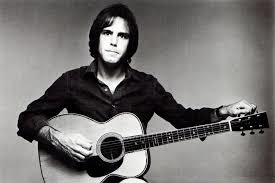
Born Robert Hall Weir on October 16, 1947, in San Francisco, Bob spent his childhood in nearby Atherton, where he was exposed early to the expanding West Coast music scene. From a young age, he gravitated toward sound and rhythm, teaching himself guitar and exploring a wide range of musical styles.
His musical education was largely self-directed but deeply committed. Weir immersed himself in folk and blues records, practiced relentlessly, and performed with local bands whenever possible. This dedication and natural curiosity laid the foundation for a career that would eventually reshape American music.
A defining moment came in the early 1960s when Weir, still a teenager, met Jerry Garcia. Their connection was immediate and profound, rooted in a shared fascination with rhythm, sound, and emotional expression. At just 17 years old, Weir joined Garcia and others to form a band called the Warlocks, which would soon become the Grateful Dead in 1965. That partnership proved transformative—not only for the musicians involved, but for rock music, improvisational performance, and fan culture as a whole.
The Grateful Dead and the San Francisco Sound
The San Francisco Bay Area of the 1960s was a hub of creative experimentation and social change, and it was within this environment that the Grateful Dead forged their identity. Blending rock, blues, jazz, folk, and psychedelic influences, the band rejected the conventional pursuit of chart-topping singles in favor of live performance as their primary medium.
Weir’s rhythm guitar became a cornerstone of the Dead’s sound. His playing was unconventional—precise yet fluid—providing structure without limiting improvisation. Rather than simply keeping time, Weir created harmonic landscapes that allowed Garcia, Phil Lesh, Bill Kreutzmann, Mickey Hart, and Ron “Pigpen” McKernan to explore freely on stage.
From small club gigs to Ken Kesey’s legendary Acid Tests, Weir’s approach helped define the band’s emphasis on spontaneity, extended jams, and real-time musical dialogue. Every performance was unique, unpredictable, and deeply interactive.
Songwriting and Vocal Contributions
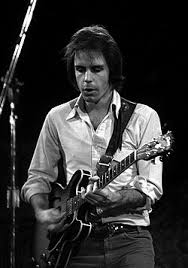
Weir was not only a guitarist but also a vital songwriter and vocalist whose work shaped much of the Grateful Dead’s catalog. His songs often reflected life on the road, the bonds between musicians, and the emotional layers of travel, adventure, and human connection.
Among his most enduring contributions were:
-
“Sugar Magnolia”, celebrated for its joyful energy and sense of freedom, became one of the band’s most beloved anthems.
-
“Truckin’”, with its iconic line “What a long, strange trip it’s been,” captured the resilience and unpredictability of life and touring.
-
“One More Saturday Night” and “Mexicali Blues”, which demonstrated his range, moving easily between high-energy rock and narrative-driven folk.
These songs showcased Weir’s versatility and his ability to channel lived experience into music that resonated deeply with audiences.
Musical Evolution Beyond the Grateful Dead
After Garcia’s passing, Weir remained committed to keeping the music alive—not as a museum piece, but as a living tradition. Through projects like RatDog, Furthur, and later Dead & Company, he continued exploring new arrangements while preserving the improvisational spirit that defined the Grateful Dead.
Dead & Company, in particular, introduced the music to a new generation while maintaining the long-form jams and communal energy longtime fans cherished. For Weir, legacy alone was never enough. He believed music should move forward, adapt, and invite participation, regardless of age or era.
Innovation and Philosophy
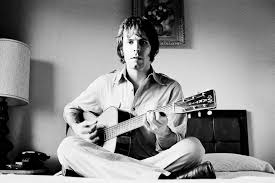
Weir’s songwriting and rhythm guitar work were central to the Dead’s musical identity. His compositions often explored themes of movement, camaraderie, love, and shared experience. His playing style balanced structure with freedom, creating space for dialogue among musicians rather than hierarchy.
This approach resulted in a sound that was fluid and evolving, shaped as much by the audience as by the band. Each show became a conversation rather than a performance delivered from a distance.
The Deadhead Community
Weir’s influence extended well beyond music into the creation of one of the most enduring fan cultures in modern history. Deadheads were not passive listeners—they were active participants, traveling from show to show and forming communities built around shared values of creativity, openness, and connection.
Weir recognized the importance of this relationship and embraced it. He viewed concerts as collaborative experiences, where energy flowed both ways. Fans shaped the atmosphere, the pacing, and even the emotional arc of performances, reinforcing the idea that music thrives through shared participation.
Recognition, Mentorship, and Lasting Influence
Throughout his career, Weir received widespread recognition, including the Grateful Dead’s induction into the Rock & Roll Hall of Fame in 1994 and a Grammy Lifetime Achievement Award. His influence crossed genres, inspiring jazz musicians, jam bands, and modern rock artists alike.
Equally important was his commitment to mentorship. By working with younger musicians in his post-Dead projects, Weir passed down not only technical skills but also the values of attentive listening, collaboration, and respect for the communal nature of music.
Legacy and Cultural Impact
Bob Weir’s legacy cannot be reduced to numbers or accolades. It lives on through:
-
Songs that continue to be performed and rediscovered.
-
Communities built on the Grateful Dead’s ethos of connection and improvisation.
-
A philosophy of music as an evolving, shared experience rather than a fixed product.
His influence reshaped how audiences engage with live music, emphasizing participation over passive consumption.
Remembering Bob Weir
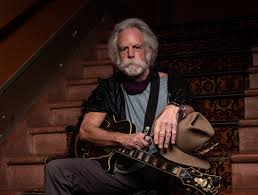
Following his passing, tributes poured in from across the music world. Fellow artists praised his generosity, curiosity, and collaborative spirit. Fans shared stories of concerts that changed their lives and communities formed through his music.
Those closest to him remembered a thoughtful, compassionate person whose dedication to human connection matched his artistic brilliance.
Weir often expressed the belief that music never truly ends—it simply keeps moving forward. Through recordings, performances, and the artists he inspired, that belief continues to resonate.
A Life That Still Inspires
From a teenage guitarist meeting Jerry Garcia in San Francisco to a revered figure in American music, Bob Weir’s life was defined by passion, collaboration, and exploration. He showed that music is more than sound—it is dialogue, connection, and shared experience.
He leaves behind a timeless body of work, a global community shaped by creativity and openness, and a living ethos that ensures the Grateful Dead’s spirit continues to evolve.
Even after his passing, Bob Weir’s music lives on—growing, changing, and connecting people across generations. His life stands as a reminder that art is never static. It moves, breathes, and flows through everyone who chooses to listen.