How to Deal With Bleach Stains Without Throwing Clothes Away
Bleach stains often appear suddenly and without warning. A splash while cleaning the bathroom, a moment of distraction during laundry, or accidentally mixing products can be all it takes. In an instant, a favorite shirt, towel, or pair of pants is marked by a pale spot that seems impossible to ignore.

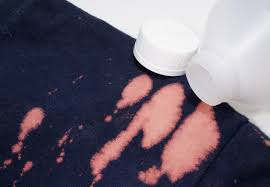
What makes bleach stains especially frustrating is how obvious they are. Unlike dirt or food stains, bleach doesn’t leave something behind—it takes something away. It removes the fabric’s color, creating lightened areas that immediately draw attention and make an otherwise wearable garment look damaged.
Because of this, many people assume the item is ruined. Clothes with bleach marks are often pushed aside, worn only at home, or thrown away entirely. In many cases, that reaction happens too quickly. While bleach damage cannot always be completely reversed, it is often possible to improve the appearance of the stain or prevent it from getting worse.
The key is understanding what bleach actually does and setting realistic expectations.
Why Bleach Stains Behave Differently
Most common stains work by adding material to fabric—oil, pigment, food residue, or dirt. Stain removers are designed to break those substances down and lift them out of the fibers.
Bleach works in the opposite way. It strips dye from the fabric at a chemical level. Once that color is gone, scrubbing harder or applying stronger cleaners won’t bring it back and may even cause additional damage. This is why bleach stains behave differently and require a different approach.
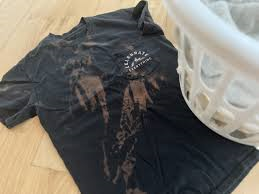
Rather than trying to erase bleach marks completely, the goal is usually to soften their appearance, reduce contrast, or blend them into the surrounding fabric. Accepting this distinction helps avoid frustration and leads to better results.
Why Acting Quickly Matters
Timing plays a major role when dealing with bleach stains. Bleach can continue reacting with fabric after the initial spill, especially while the area remains damp. Acting quickly can prevent the stain from expanding or becoming more severe.
The first step should always be rinsing the affected area thoroughly with cold water. Cold water helps dilute and flush out remaining bleach without accelerating chemical reactions. Hot or warm water should be avoided at this stage, as it can worsen fiber damage.
If the exposure is caught early enough, stopping the chemical action can significantly limit how much color is lost.
Neutralizing Bleach Safely
In some situations, neutralizing the bleach can help stabilize the fabric. Products designed to neutralize bleach—often containing sodium thiosulfate—are commonly used in professional and industrial settings and may be available in some household supply stores.
When applied carefully and rinsed thoroughly, these products can halt further discoloration. They do not restore lost color, but they can prevent the stain from spreading or intensifying.
Before using any chemical treatment, it’s essential to test it on a hidden area such as an inner seam. Fabrics react differently, and testing reduces the risk of unexpected damage.
If a neutralizer isn’t available, prompt and thorough rinsing with cold water is still beneficial. While it won’t undo discoloration, it can help preserve the surrounding fabric.
When the Stain Is Already Set
Often, bleach stains aren’t noticed until after the garment has dried. Once the color loss is complete, neutralizing no longer helps. At this point, the focus shifts from stopping damage to improving how the stain looks.
Blending techniques aim to reduce the sharp contrast between the bleached area and the rest of the fabric. When done carefully, this can make stains far less noticeable, especially during normal wear.
Some methods encourage slight movement of dye from nearby fibers. While results vary depending on color and fabric type, careful application can soften harsh edges and improve the overall appearance.

Gentle Blending Approaches
One commonly discussed technique involves using a small amount of rubbing alcohol mixed with white vinegar. Applied gently with a cotton swab or soft cloth, the solution may help redistribute nearby dye slightly.
It’s important to dab rather than rub. Rubbing can damage fibers, spread the stain, or create uneven texture. Patience is also key—results are often subtle and gradual rather than dramatic.
This method tends to work best on darker fabrics, where contrast is strongest. On light-colored or patterned materials, the effect may be limited, but it can still reduce sharp lines.
The Importance of Fabric Type
Not all fabrics respond the same way to bleach or correction attempts. Natural fibers such as cotton and linen often show bleach damage clearly but may also respond better to blending or re-dyeing.
Synthetic fabrics can be unpredictable. Some resist dye, while others react unevenly. Delicate materials like silk or wool require extra caution and may be better handled by professionals.
Understanding the fabric you’re working with helps determine which methods are worth trying and which may cause more harm than good.
A Practical and Sustainable View
Bleach stains often feel like a final judgment on clothing, but they don’t have to be. Even when perfect restoration isn’t possible, reducing visibility can make garments wearable again for everyday use.
From a practical standpoint, learning how to manage bleach damage reduces unnecessary waste. Instead of discarding clothing immediately, small efforts can extend its life. This approach supports sustainability and encourages creativity rather than replacement.
Recoloring and Fabric Markers
For small bleach spots, fabric markers or textile dyes can be highly effective. These products don’t chemically restore original dye, but they visually replace lost color.
Fabric markers are best for tiny splashes or spots, allowing precise application and controlled blending. Selecting the closest possible color and layering gradually helps achieve a more natural look.
Fabric paints work better for larger areas. Applying paint with a sponge rather than a brush helps create a softer transition between treated and untreated fabric. Once applied, heat-setting according to instructions improves durability.
Re-Dyeing the Entire Garment
For items with larger or multiple bleach marks, re-dyeing the entire garment may be the best solution. This method works especially well for solid-colored clothing made from natural fibers.
Home dye kits are widely available and can be used with basic equipment. Choosing a darker shade than the original color increases the likelihood of even coverage, as darker dyes more effectively mask lighter areas.
While re-dyeing changes the garment’s original look, it often gives clothing a second life instead of sending it to waste.
Turning Damage Into Design
Sometimes the most satisfying solution is embracing the stain rather than hiding it. Bleach marks can become part of intentional designs through techniques like tie-dyeing, controlled bleaching, or decorative embellishments.
Tie-dyeing works particularly well for scattered or irregular stains, transforming them into a cohesive pattern. Embroidery, patches, or decorative stitching can also redirect attention and add character—especially on casual garments like denim or sweatshirts.
Knowing When to Stop
Not every fabric can be saved. Synthetic materials may resist correction, and delicate fibers can be damaged by even gentle treatments. In these cases, professional alterations or limited use may be the most practical option.
Recognizing when further treatment may shorten a garment’s lifespan is just as important as knowing what to try.
Preventing Future Bleach Mishaps
While fixing bleach stains is useful, prevention remains the most effective strategy. Simple habits can significantly reduce accidents.
Storing bleach separately from other laundry products, clearly labeling containers, wearing older clothes while cleaning, and washing bleach-treated items separately all help minimize risk. Understanding care labels and fabric sensitivities adds another layer of protection.
A Mindset Shift
Managing bleach stains encourages a more thoughtful relationship with clothing. Instead of seeing imperfections as failures, they can be viewed as opportunities to repair, reuse, or reimagine garments.
Not every stain can be fixed completely—but many can be improved enough to keep clothing in rotation. With patience, realistic expectations, and the right approach, bleach stains don’t have to be the end of a garment’s life.
Final Thoughts
Bleach doesn’t behave like ordinary stains, and treating it requires a different mindset. Full restoration isn’t always possible, but improvement often is. Whether through early neutralization, blending, recoloring, or creative redesign, there are practical paths forward.
By understanding how bleach works and responding carefully, it’s possible to extend the life of clothing, reduce waste, and turn frustration into problem-solving. What starts as an accident doesn’t have to be the final chapter.