Young Pastor Banned Me From Church for Riding My Harley
When the new pastor told me I could no longer serve communion, it wasn’t because I’d lost my faith or failed my duties.
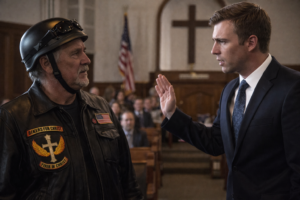
It was because I rode a Harley.
He said my motorcycle “sent the wrong message.”
I had been a deacon at First Baptist for forty-three years. I never missed a Sunday unless I was in the hospital. I tithed faithfully, even during the years when money was tight and pride had to take a back seat. I taught Sunday school, drove the church van, helped raise funds, and built the playground with my own hands.
That church wasn’t just a place I attended. It was woven into my life.
I was baptized there at fifteen. I taught half the town’s children their first Bible verses there. I buried my wife in that sanctuary.
But none of that mattered the day our young pastor saw me arrive at the church picnic on my bike.
I had come straight from visiting shut-ins, still wearing my riding jacket. He pulled me aside and told me—very politely, with that rehearsed smile—that my presence was “incompatible with the family-friendly image” the church wanted to project.
He used those exact words.
Two wheels, apparently, erased four decades of service.
What hurt even more wasn’t losing my role. It was overhearing him later telling the youth group that “Brother Mike is a reminder of why we need to be careful about the company we keep.”
As if I were a bad influence.
As if the man who had prayed with them, coached their little league teams, and fixed the church roof for free was suddenly dangerous.
That was six months ago.
I didn’t make a fuss. I didn’t argue. I didn’t want to split the church. I started attending the early service, sitting quietly in the back, leaving before anyone could feel uncomfortable about my presence.
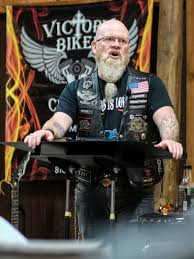
I stopped wearing my “Bikers for Christ” patch. When my riding brothers asked why I didn’t talk about church anymore, I brushed it off. Said I was stepping back, focusing on other things.
The truth was, I was ashamed. Not of my faith—but of how easily it had been dismissed.
Sarah Williams noticed.
She had been part of First Baptist longer than I had. She taught my daughter kindergarten thirty years ago and still remembered every child’s name. She stopped me in the grocery store last week and looked at me like she always had—straight through the excuses.
“Michael Thompson,” she said, “don’t tell me you’re fine. I’ve known you too long.”
I tried to dodge the question. She didn’t let me.
So there, between the cereal aisle and canned goods, I told her everything. The meeting with Pastor Davidson. Being removed from the deacon board. Being asked not to park my bike in the church lot because it might “give visitors the wrong impression.”
Her face hardened.
“That young fool,” she said quietly. “He has no idea what he’s done.”
I assumed that would be the end of it. Sympathy, maybe some quiet grumbling, and life would move on. I even started looking for another church—somewhere that judged faith by actions, not appearances.
I was wrong.
The following Sunday, during announcements, Sarah stood up.
The sanctuary went silent.
She didn’t raise her voice. She didn’t insult anyone. She simply spoke the truth.
She reminded everyone of the man who had served faithfully for decades. The deacon who never asked for recognition. The biker who visited the sick, fed the hungry, and lived his faith openly and honestly.
Then she turned to the pastor.
“And I want to know,” she said, “when did we decide that the shape of a man’s vehicle mattered more than the shape of his heart?”
You could hear a pin drop.
People began to stand. One by one. Families I had helped. Parents of kids I’d taught. Men who had ridden in the church van with me for years.
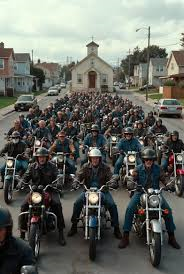
The pastor tried to speak, but the moment had passed.
That afternoon, my phone wouldn’t stop ringing.
The following week, the church board met. Decisions were made.
I was invited back—not quietly, not reluctantly—but openly. Asked to serve again. Asked to forgive.
I did.
But I also learned something.
Faith isn’t proven by fitting in. It’s proven by standing firm when someone tries to shrink it.
And sometimes, the loudest witness isn’t a sermon—it’s a woman in a grocery store aisle who refuses to let injustice go unchallenged.