Debra Winger: A Career Defined by Integrity, Choice, and Quiet Power
Few moments in film history are as instantly recognizable as the final scene of An Officer and a Gentleman. Richard Gere’s character, naval officer Zack Mayo, strides into a factory and lifts Paula Pokrifki—played by Debra Winger—into his arms, carrying her away from a life defined by routine and limitation. That image became a lasting symbol of cinematic romance, embodying hope, desire, and emotional release for generations of moviegoers.

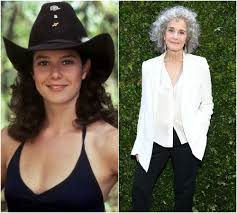
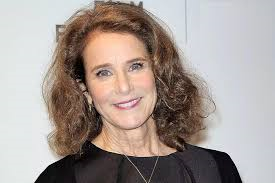
But the moment did more than seal the film’s success in 1982. It cemented Debra Winger as an actress of extraordinary emotional intelligence—someone capable of grounding grand romantic gestures in authenticity and depth. More than four decades later, Winger remains a compelling presence, now embracing her natural silver hair and a quietly confident evolution that stands apart in an industry often resistant to aging with honesty.
Her enduring appeal invites reflection not just on her beauty, but on a career shaped by discernment, conviction, and a willingness to challenge Hollywood norms.
A Rise Built on Intention
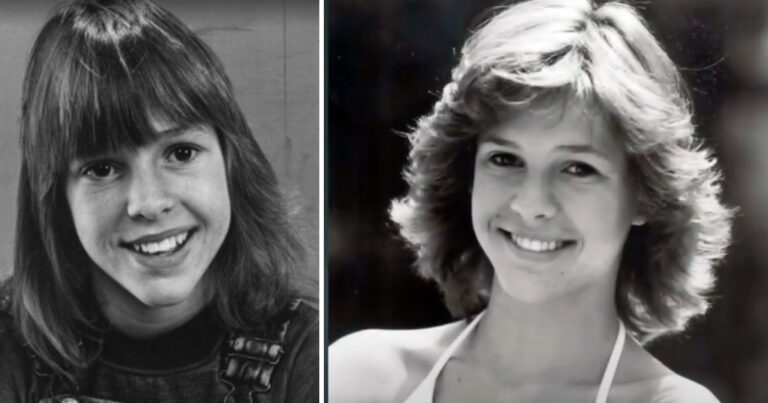
Debra Winger’s path to stardom began in the mid-1970s, with her first film appearance in Slumber Party ’57. She soon gained broader recognition through television, landing a role on Wonder Woman as Drusilla, the younger sister of Diana Prince.
While the role brought visibility, Winger made an early and telling choice: she declined a larger, more lucrative opportunity on the show to avoid being locked into a superhero image. Even at the start of her career, she demonstrated a clear understanding of long-term artistic integrity over short-term gain.
That instinct would define her trajectory.
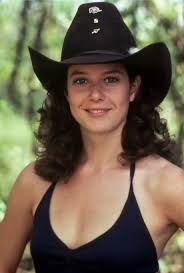
By the early 1980s, her careful approach paid off. In Urban Cowboy (1980), she starred opposite John Travolta, delivering a performance that proved she could match—and often surpass—established stars. The role positioned her as a serious dramatic force.
Her breakthrough came with An Officer and a Gentleman, where her portrayal of Paula Pokrifki blended vulnerability, resolve, and warmth. The character resonated deeply with audiences and became a cultural touchstone, elevating Winger’s status and showcasing her ability to create indelible, emotionally grounded characters.
She followed this success with Terms of Endearment (1983), sharing the screen with Shirley MacLaine in a story that moved seamlessly between humor and heartbreak. Winger’s performance as Emma revealed her remarkable capacity to navigate emotional complexity with restraint and honesty—qualities that critics still cite decades later as hallmarks of naturalistic acting.
Creative Friction Behind the Camera
Despite the ease she projected onscreen, Winger was known offscreen for her firm boundaries and uncompromising standards. Stories labeling her as “difficult” often stemmed from her refusal to dilute character truth or defer to commercial pressures.
Louis Gossett Jr., in his memoir An Actor and a Gentleman, recalled the intense dynamic on the set of An Officer and a Gentleman. While the chemistry between Winger and Gere was undeniable on screen, Winger maintained distance off camera, describing Gere’s method acting as rigid and director Taylor Hackford’s approach as demanding.
Rather than harming her career, these tensions underscored her dedication to authenticity. Winger consistently chose substance over image, even when that meant navigating uncomfortable professional relationships.
Similar stories emerged during the filming of Terms of Endearment. Winger’s grounded, no-nonsense style contrasted sharply with Shirley MacLaine’s flamboyant Hollywood persona. Their differing approaches—symbolized by their first meeting, with MacLaine in furs and Winger in boots and a miniskirt—reflected a broader clash between eras of Hollywood.
While the friction became legendary, it ultimately fueled powerful performances. MacLaine’s Academy Award win placed Winger in the shadow of industry politics, yet Winger’s work remained widely admired for its depth and sincerity.
Stepping Away at the Height of Fame
At the peak of her career, following Forget Paris (1995), Winger made a decision that surprised many: she stepped away from Hollywood.
Speculation ran rampant, but the reality was deeply personal. Winger sought fulfillment beyond the confines of studio filmmaking. She moved to New York City, focused on her marriage to actor Arliss Howard, and dedicated herself to raising her children—sons Noah and Gideon, along with her stepson Sam.
Her departure left a noticeable absence, sparking curiosity that eventually inspired Rosanna Arquette’s 2002 documentary Searching for Debra Winger. In it, Winger explained simply that the roles being offered no longer challenged her. Life itself, she said, offered greater complexity and meaning.
This choice reflected a consistent theme in her life: success defined on her own terms.
A Thoughtful Return
When Winger returned to acting, she did so selectively, choosing projects aligned with her artistic values rather than mainstream appeal. Her post-hiatus work emphasized emotional nuance over glamour.
One of her first major returns was Big Bad Love (2001), directed by Arliss Howard. The role allowed her to explore subtle emotional dynamics within a small-town setting, reinforcing her preference for intimacy and realism.
In Rachel Getting Married (2008), directed by Jonathan Demme, Winger delivered a layered supporting performance that added depth to a story of family tension and reconciliation. Critics praised her ability to convey empathy and conflict with remarkable economy.
Her role in Kajillionaire (2020) further demonstrated her adaptability. Amid the film’s eccentric tone, Winger provided emotional grounding, portraying moral ambiguity with quiet magnetism and understated humor.
She continued collaborating with Howard in With/In (2021), an anthology project examining modern relationships. The work reinforced her belief in experimentation and authenticity, proving that reinvention is possible at any stage of an artistic career.
A Life Beyond the Spotlight
Outside of acting, Winger leads a deliberately balanced life, dividing her time between Los Angeles and more private spaces. She prioritizes family, reflection, and creative curiosity over visibility.
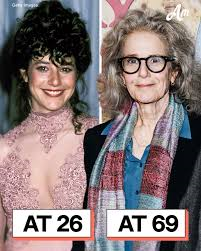
Her social media presence offers glimpses into travel, art, and everyday moments—free from performative polish. Aging, for Winger, is not something to conceal but to embrace with honesty.
She has spoken candidly about observing Hollywood from a distance, noting its evolving priorities with a mix of humor and detachment. Living near the iconic Hollywood sign, she once remarked that she often looks at it and laughs—a reminder of how fleeting fame can be.
Lasting Influence
Debra Winger’s legacy extends far beyond her filmography. Her career stands as a model of integrity, intentional choice, and resistance to conformity.
From her early success to her purposeful withdrawal and selective return, she demonstrated that longevity in the arts does not require constant visibility—only clarity of purpose.
Her performances continue to resonate, particularly the factory lift scene in An Officer and a Gentleman, often cited as a defining moment in romantic cinema. More than spectacle, it represents aspiration and emotional release grounded in realism.
Perhaps most importantly, Winger’s story challenges conventional narratives of success. By prioritizing personal growth, family, and meaningful work, she offers a blueprint for balancing ambition with well-being.
An Enduring Example
As Debra Winger enters her eighth decade, her relevance remains undiminished. Her career illustrates that stepping away from the spotlight can deepen—not diminish—an artist’s influence.
Graceful, candid, and introspective, she provides a counterpoint to celebrity culture’s obsession with youth and exposure. Her strength lies in self-knowledge, not spectacle.
For emerging artists and audiences alike, Winger’s journey affirms that authenticity endures longer than trends, and that living deliberately—on screen and off—creates a legacy that time cannot erode.
Debra Winger’s life and career are not just a record of success, but a testament to the power of thoughtful choice, resilience, and staying true to one’s own narrative.