You’ve Seen Him in Every Great Movie — You Just Never Knew His Name
You’ve seen Ward Bond countless times. You just never learned his name.
He’s the policeman in It’s a Wonderful Life who watches George Bailey fall apart on Christmas Eve. He’s the tough captain grilling Sam Spade in The Maltese Falcon. He’s the reverend who marries John Wayne and Maureen O’Hara in The Quiet Man. Over and over again, he shows up as the soldier, the sheriff, the captain — the steady presence in the background of Hollywood’s most famous films from the 1930s through the 1950s.
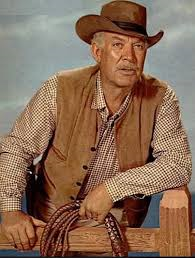
Ward Bond appeared in more than 200 movies. And here’s the astonishing part: he appears in more films on the American Film Institute’s “100 Greatest Movies” list than any other actor.
More than Humphrey Bogart.
More than James Stewart.
More than even John Wayne, his closest friend.
Yet if you ask most people to name him, they can’t.
Ward Bond was born in Nebraska in 1903 and raised in Southern California. He played football at USC, where he became roommates with a quiet student named Marion Morrison — the man who would later become John Wayne.
The two were inseparable. For nearly 40 years, they shared a bond that went far beyond work, appearing together in dozens of films and living parallel lives. Wayne became a movie star. Ward Bond became something else: essential.
Directors trusted him completely. Ward showed up prepared, knew his lines, hit his marks, and elevated every scene he was in. He never complained about screen time. He never chased fame. He simply did the job — and did it better than almost anyone.
Legendary director John Ford cast Ward Bond in 25 films. Twenty-five. Ford relied on him for roles that demanded credibility and emotional weight: soldiers, marshals, priests, captains, loyal friends.
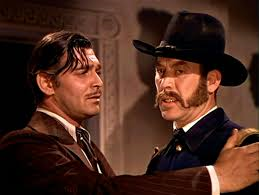
Frank Capra cast him in seven films, including It Happened One Night and It’s a Wonderful Life. Howard Hawks, Raoul Walsh, William Wyler — the greatest directors of the era all wanted Ward Bond on their sets.
Because Ward understood something most actors never do: supporting roles aren’t smaller roles. They’re what hold great films together.
In Gone With the Wind, he appears briefly as a Yankee soldier. In The Searchers, often considered the greatest Western ever made, he’s on screen for only a few minutes. In The Maltese Falcon, he appears in a single interrogation scene.
But those moments stick. Because Ward Bond made them feel real.
He had a weathered, trustworthy face. A voice that carried authority without effort. A presence that felt authentic rather than theatrical. He didn’t feel like Hollywood — he felt like life.
In 1957, at age 54, Ward Bond finally stepped into a leading role as Major Seth Adams on the TV series Wagon Train. The show became one of the most popular programs on television, and for the first time, audiences tuned in specifically to watch him.
He loved it.
But the moment didn’t last.
On November 5, 1960, while Wagon Train was still at the height of its success, Ward Bond died of a heart attack at just 57 years old.
John Wayne was devastated. At Ward’s funeral, he said simply, “We were the closest of friends, from school right on through.”
Hollywood lost one of its most dependable and respected actors.
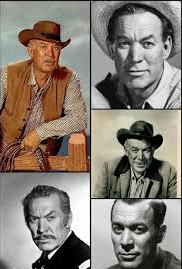
Ward Bond never needed his name at the top of the poster. He didn’t need awards or headlines. He showed up, did exceptional work, and made the greatest films in history better just by being part of them.
His credits include It’s a Wonderful Life, The Maltese Falcon, Gone With the Wind, Bringing Up Baby, The Searchers, The Grapes of Wrath, Mr. Smith Goes to Washington, The Quiet Man, Sergeant York, Fort Apache, and Rio Bravo.
Those films define American cinema — and Ward Bond is in all of them.
Most actors would give anything to appear in just one film on the AFI’s greatest list. Ward Bond appears in more than anyone else — not because he chased stardom, but because he mastered his craft.
When you watch the greatest movies ever made, Ward Bond is there, quietly anchoring the story while others take center stage.
Ward Bond (1903–1960) proved something rare: that showing up, doing the work, and making everyone around you better is its own kind of greatness.
You’ve seen him a hundred times.
Now you know his name.