“The Untold Story Behind The Passion of the Christ”
Years after The Passion of the Christ stunned audiences around the world, the film is once again stirring unease—this time not for what appeared on screen, but for what happened behind it. Actor Jim Caviezel, who portrayed Jesus in Mel Gibson’s controversial 2004 epic, has begun revisiting moments from the production that many now describe as chilling, unsettling, and impossible to easily explain.
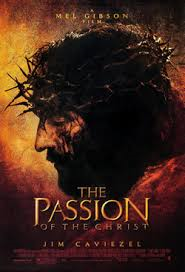
At the time of its release, The Passion of the Christ was already surrounded by controversy, praise, and fierce debate. Its graphic depiction of suffering pushed boundaries and divided critics. But few outside the set knew just how physically and emotionally brutal the production itself had been for those involved—especially Caviezel.
From the beginning, the role demanded extreme sacrifice. Caviezel endured grueling physical conditions, including freezing temperatures, intense makeup sessions that lasted hours, and a shooting schedule that stretched his body to the limit. But as filming progressed, the difficulties moved beyond discomfort and into something far more disturbing.
One of the most talked-about incidents occurred during the filming of the Sermon on the Mount scene. As Caviezel stood elevated, dressed in costume and delivering his lines, a sudden bolt of lightning struck him. Not once—but reportedly more than once during the production. Crew members later recalled standing frozen in shock, unsure of what they had just witnessed. Caviezel survived without fatal injury, though he later said the experience left him shaken in ways he struggled to articulate.
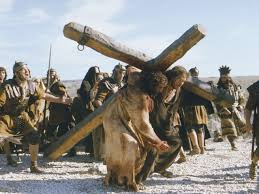
The lightning strike was not the only alarming event. During the crucifixion scenes, Caviezel was accidentally struck by a whip fitted with metal tips, resulting in a deep wound that required medical attention. He also dislocated his shoulder while hanging on the cross and developed hypothermia from prolonged exposure to cold, rain, and wind. In the years that followed, he underwent multiple surgeries—some of which he believes were connected to the physical toll of the role.
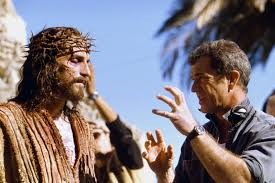
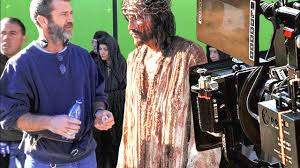
Several crew members have since spoken about the atmosphere on set, describing it as heavy, intense, and emotionally charged. Some said they felt overwhelmed by a sense that something larger than filmmaking was unfolding. Others admitted the experience forced them to question long-held beliefs—or the absence of them. A few reportedly left the production early, unable to cope with the psychological weight of recreating such brutal scenes day after day.
Caviezel himself has described moments that felt “guided,” saying he experienced an unusual sense of calm during certain scenes, even when his body was breaking down. He has never claimed miracles, but he has openly questioned whether he was protected during incidents that could have easily turned fatal. To him, survival itself felt meaningful.
What unsettles many observers is not just what happened—but how quietly these stories faded from public conversation. In the years after the film’s release, Hollywood largely moved on. Caviezel’s career took a different path than many expected, and some have speculated—without definitive proof—that his outspoken faith and the nature of the film placed him outside the industry’s comfort zone.
So why are these stories resurfacing now?
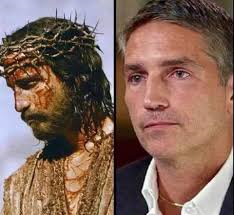
In recent interviews and appearances, Caviezel has begun speaking more openly, no longer brushing past the events as production trivia. Clips circulating online show him recounting moments with visible emotion, pausing as if still processing them decades later. One recently resurfaced clip, in particular, has left viewers stunned—showing Caviezel describing an incident on set that he says still defies explanation, his voice steady but eyes unmistakably haunted.
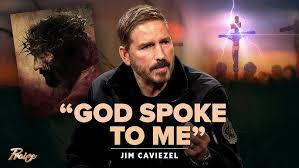
For believers, these accounts feel like evidence of divine protection amid extraordinary circumstances. For skeptics, they are reminders of how extreme filmmaking can push the human body and mind to dangerous limits. And for many viewers caught somewhere in between, the stories raise an uncomfortable question: where does coincidence end, and meaning begin?
The Passion of the Christ was never just a movie. It was a cultural event, a lightning rod, and for those who made it, an experience that lingered long after the cameras stopped rolling. Whether these moments point to faith, fate, or the sheer cost of obsession, one thing is clear—the line between cinema and something far deeper was blurred in ways that still refuse to settle.
And as these revelations resurface, they challenge audiences to confront not only what they believe about the film—but what they believe about suffering, purpose, and the forces we cannot easily explain.
Some stories fade with time. Others wait.
This one may never truly be over. 👁️🗨️🔥