Where Minimum Wage Actually Works: The States Where Your Paycheck Goes Further
Debates over minimum wage and living wages have shaped American economic conversations for decades. At the heart of the discussion is a simple but powerful question: how much should a person earn to live with dignity? That question first entered federal law in 1938, when President Franklin D. Roosevelt signed the Fair Labor Standards Act, establishing the nation’s first minimum wage at just 25 cents an hour. Roosevelt argued that no business should exist if it could not afford to pay workers a wage sufficient for basic living standards.
Nearly a century later, the issue remains unresolved.
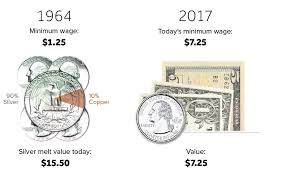
Today, the federal minimum wage stands at $7.25 per hour, unchanged since 2009. During that same period, housing costs, healthcare, food prices, and transportation expenses have all surged—especially after recent inflation spikes. For more than a decade, activists and workers have pushed to raise the federal minimum wage to $15 per hour, arguing that the current rate no longer reflects economic reality.
However, minimum wage policy in the United States is not determined by federal law alone. Each state sets its own wage standards, resulting in a wide and uneven landscape. Some states have minimum wages well above $15 an hour, while others rely entirely on the federal rate—or don’t have a state minimum wage at all. At the same time, the cost of living varies dramatically across the country, with housing costs often being the biggest burden for low-wage workers.
This raises an important question: where does minimum wage actually go the farthest?
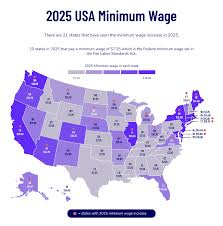
Minimum Wage vs. Cost of Living
There is no perfect scenario where wages are high and living costs are extremely low. For example, Washington, D.C. boasts the highest minimum wage in the country at $17 per hour, but its housing costs are roughly 140% higher than the national average, making it one of the most expensive places to live in America.
Still, when wages and living expenses are considered together, some states offer a far more favorable balance than others. These states may not have the highest minimum wages, but their relatively lower costs—especially for housing and utilities—allow workers to stretch their paychecks much further.
After comparing minimum wage levels with overall cost-of-living data, the following states stand out as offering the best “bang for your minimum wage buck”:
The Top States Where Minimum Wage Goes Further
6. New Mexico
New Mexico benefits from a moderate minimum wage paired with relatively affordable housing and utilities, especially outside major urban areas. Lower-than-average costs in healthcare and transportation help offset wages that aren’t the highest nationally.
5. New Jersey
While often associated with high costs, New Jersey’s statewide minimum wage and access to lower-cost housing in certain regions place it higher on the list than many might expect. Proximity to job markets also plays a role.
4. Connecticut
Connecticut combines a strong minimum wage with areas where housing costs are more manageable than nearby metropolitan centers, making it a better option than its reputation suggests.
3. Missouri
Missouri stands out for its notably low cost of living, particularly in housing. While the minimum wage isn’t among the highest, low rents and utilities allow wages to stretch further than in many states.
2. Washington
Washington State has one of the highest minimum wages in the country. Although housing costs are elevated in cities like Seattle, more affordable regions across the state balance the equation, keeping it near the top.
1. Illinois
Illinois ranks first for overall value. The state’s $13 per hour minimum wage, combined with a cost of living about 8% lower than the national average, creates a rare balance. Housing costs are approximately 22% below average, utilities are 10% lower, and while transportation runs about 3% higher than average, it isn’t enough to outweigh the savings elsewhere.
Why This Matters

For workers earning minimum wage—or those just beginning their careers—where you live can be just as important as how much you earn. A higher hourly wage doesn’t necessarily translate to a better quality of life if rent, groceries, and utilities consume most of a paycheck.
As inflation continues to pressure household budgets, understanding the relationship between wages and living costs is becoming more critical than ever. While raising the federal minimum wage remains a contentious political issue, state-level policies and regional affordability already shape millions of lives in tangible ways.
There may be no perfect state where workers earn high wages and pay rock-bottom prices—but as this analysis shows, some places come much closer than others.