“Supporting Oral Health Naturally — Beyond Brushing Alone”
Cavities don’t appear overnight. They form gradually as bacteria consume sugars, produce acid, and slowly wear down tooth enamel. Everyday habits like constant snacking, stress, dry mouth, or rushing through oral hygiene make it easy to miss the early stages until sensitivity or discomfort shows up. Maintaining good oral health relies less on occasional deep cleaning and more on preserving balance throughout the day — reducing acid exposure, encouraging saliva flow, and protecting enamel. Natural approaches can support this balance when combined with brushing, flossing, fluoride use, and regular dental checkups.
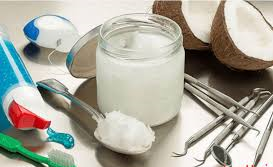
One commonly used supportive method is oil pulling, particularly with coconut oil. Gently swishing oil around the mouth may help dislodge bacteria and reduce plaque buildup. Coconut oil contains antibacterial properties that may decrease harmful microbes and freshen breath. When practiced consistently and followed by proper brushing, oil pulling can be a relaxing addition to oral care — but it should complement, not replace, standard hygiene practices.
Saltwater rinses are another simple option. Salt creates an environment that is less friendly to harmful bacteria while soothing irritated gum tissue. Rinsing after meals may help neutralize acids, remove debris, and promote healing without disrupting beneficial microorganisms.
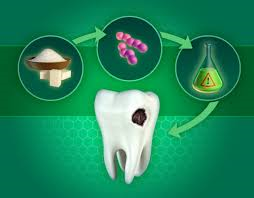
Xylitol offers a different approach by limiting bacteria’s ability to produce acid. Since cavity-causing microbes cannot metabolize xylitol, their growth and damage potential decrease. Chewing xylitol gum also boosts saliva production, which naturally helps repair early enamel wear and clear away food particles.
Diet also plays an essential role in enamel resilience. Nutrients like calcium, phosphorus, and vitamin D help restore minerals lost to acidic conditions. Consuming dairy, leafy vegetables, nuts, and fish regularly — especially during meals — supports enamel strength and repair.
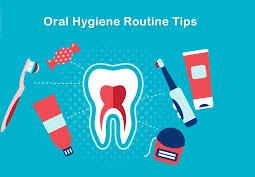
Ultimately, preventing cavities comes down to daily habits. Reducing frequent snacking, staying hydrated, brushing at the right times, and using fluoride appropriately all contribute to long-term oral health. Natural remedies are most effective when they reinforce these basic practices, helping create a mouth environment that promotes healing rather than decay.