“The Hidden Car Feature Most Drivers Never Notice”
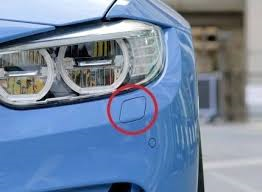
If you’ve ever walked around your car and noticed a small square or rectangular panel on the front or rear bumper, you might have assumed it was purely decorative — just another design detail intended to keep the vehicle looking sleek and streamlined. Because of its subtle appearance, most people overlook it completely. However, hidden behind that modest cover is one of the most important practical features on your vehicle: the tow hook socket.
This simple component can make a huge difference during roadside emergencies, allowing your car to be towed safely if it breaks down, gets stuck, or needs to be repositioned. Knowing what it is, how it works, and how to use it properly is valuable knowledge for any driver.
What Is a Tow Hook Socket?
The tow hook socket is a threaded metal fitting built into your car’s frame, concealed behind that removable bumper panel. Its purpose is to provide a secure, manufacturer-approved attachment point for towing. Unlike makeshift solutions such as tying ropes or chains around the bumper or suspension — which can cause serious damage — the socket is engineered to handle towing forces safely without harming the vehicle’s structure.
Modern automotive design prioritizes both safety and convenience, and this feature ensures that vehicles can be towed efficiently while minimizing cosmetic or mechanical damage.
The Removable Cover: Design Meets Protection
To maintain appearance and durability, automakers hide the socket behind a removable panel that matches the vehicle’s paint and sits flush with the bumper. This panel serves several functions:
-
Protection: Keeps dirt, moisture, and debris out, preventing corrosion.
-
Accessibility: Allows quick removal when towing is necessary.
-
Aesthetics: Preserves the smooth visual lines of the car.
Though small, this panel represents thoughtful engineering that blends function and design seamlessly.
Where the Tow Hook Is Stored
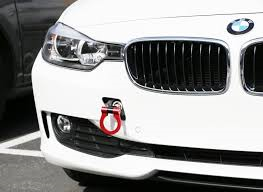
Most vehicles include a tow hook stored in the trunk or cargo area, often near the spare tire or emergency tools. The hook is a sturdy metal piece with threading that allows it to screw securely into the socket.
Some cars have sockets at both the front and rear for flexibility, while others only provide one. Drivers should check their vehicle manual to understand their specific setup.

Using the Tow Hook Correctly
Proper use ensures safety and prevents damage. The basic steps include:
-
Remove the Cover: Gently pry off the panel to reveal the socket.
-
Install the Hook: Screw it in clockwise until snug, without overtightening.
-
Attach Tow Equipment: Connect a rope, chain, or bar following manufacturer guidance.
-
Tow Carefully: Maintain steady movement and communication between drivers.
Correct use protects the vehicle and allows towing to proceed smoothly.
Why Tow Hooks Matter
Tow hooks are not just convenient — they’re essential. Improper towing methods can bend components, crack bumpers, or damage sensitive systems. The socket provides a reinforced point designed specifically to handle stress.
For off-road driving, this importance increases. Vehicles stuck in mud, snow, or sand rely on tow hooks for safe recovery. Without them, pulling the vehicle out could cause expensive structural damage.
Maintenance and Safety Advice
To keep your tow hook ready:
-
Review your owner’s manual
-
Keep the panel installed when not in use
-
Inspect the hook for damage or rust
-
Use it only for short-distance, low-speed towing
For extended transport, professional towing methods like flatbeds are recommended.
A Brief History of Tow Hooks
Earlier vehicles featured exposed hooks that were functional but prone to rust and awkward placement. Modern vehicles hide sockets behind panels to maintain style while preserving function. These systems are now standardized for compatibility with professional towing equipment.
High-performance vehicles sometimes include specialized sockets designed for safe transport and loading.
Everyday Situations Where Tow Hooks Help
Tow hooks prove useful in many scenarios:
-
Escaping mud or sand
-
Recovering from snow or ice
-
Getting unstuck after minor incidents
Though easy to overlook, they save time, reduce stress, and prevent costly damage.
Use in Off-Roading and Motorsport
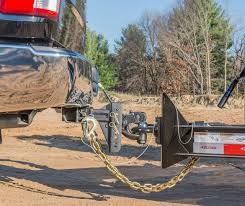
Off-road vehicles depend heavily on reinforced hooks or mounts for recovery operations. In motorsports, standardized tow points allow track officials to remove disabled vehicles quickly and safely.
A Small Detail With Big Importance
It’s impressive how much engineering thought goes into such a small feature. That tiny panel hides a solution designed to protect your vehicle during some of the most stressful situations drivers face.
Tow hook sockets perfectly illustrate how automotive design balances appearance, practicality, and safety — delivering functionality without compromising style.
Final Thoughts
Next time you look over your car, pay attention to that small bumper panel. Behind it lies a carefully engineered feature meant to protect your vehicle and simplify towing.
Understanding its purpose and maintaining it properly ensures you’re prepared for unexpected roadside challenges. In automotive design, even the smallest details carry major importance — and the tow hook socket is proof that practical solutions often hide in plain sight.