“CNN Anchor Taken Into Custody During Protest Investigation”
The arrest of Don Lemon a former CNN anchor by federal agents has sent shockwaves across the country, igniting fierce debate over press freedom, government power, and the right to protest. The incident stemmed from a heated anti-immigration demonstration inside a Minnesota church, where activists confronted a pastor who also worked with ICE. While covering the scene, the journalist was swept into the chaos.

According to his attorney, Abbe Lowell, the journalist was simply doing his job — documenting events of public importance and asking difficult questions. Lowell argues that punishing reporters for covering protests threatens the First Amendment, warning that it could discourage journalists from holding authorities accountable during moments of crisis.
Federal agencies, including the FBI and Homeland Security Investigations, moved quickly to convene a grand jury, signaling that the case goes far beyond minor trespassing or disorderly conduct. With much of the investigation sealed, speculation has exploded. Supporters of the arrest say it was necessary to maintain order, while critics believe it was designed to intimidate the press.
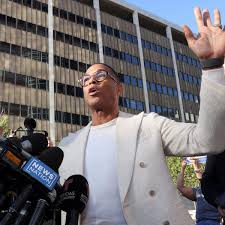
Tensions have only grown because of the unresolved deaths of protesters Renee Good and Alex Pretti. The journalist had previously reported on those cases, fueling accusations that his arrest may be retaliation meant to suppress scrutiny of federal actions during periods of unrest.
The legal defense is expected to rely heavily on First Amendment protections, arguing that reporters cannot be barred from covering protests simply because their work makes officials uncomfortable. At the heart of the case is a critical question: where is the line between witnessing events and being accused of participating in them?
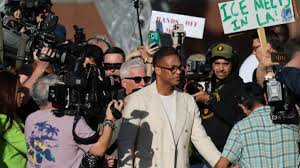
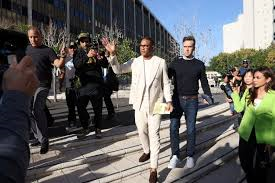
As the grand jury moves forward, the nation watches closely. The case has become a referendum on how far the government can go when journalists challenge those in power.
What began as a local confrontation in Minnesota has now grown into a national test of American values — balancing public safety, civil liberties, and the public’s right to know. If a prominent journalist can be detained under sealed charges, newsrooms everywhere may feel the chilling effect.
For now, the story the journalist was once covering has become the story itself — a stark reflection of the fragile line between law, liberty, and the truth.