“Not All Thick Honey Is Real: What You Should Know”
Honey has been treasured for centuries for its taste, natural enzymes, antioxidants, and cultural importance. From traditional remedies to everyday cooking, it stands as a food produced entirely by bees and the natural world. Yet because of its value and popularity, honey is often tampered with, making genuine authenticity essential for health, ethical trade, and environmental protection.
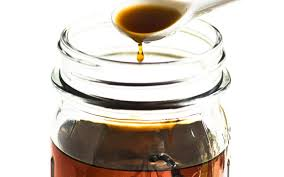
To spot fake honey, many people turn to viral online tricks—especially the upside-down bottle test. According to this method, real honey should move slowly and form a single air bubble rising upward, while fake honey flows quickly. While this sounds convincing, it overlooks how complex honey really is.
The thickness of honey varies widely based on temperature, the flowers the bees visited, how it’s stored, and how it was processed. Warm honey flows easily, while cool honey becomes thicker. That means real honey might fail the test, while diluted or altered honey kept in cooler conditions could look thick enough to seem authentic, making the test misleading.
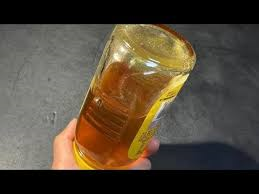
Processing adds another layer of confusion. Filtered or pasteurized honey is still real, but it usually pours faster than raw honey. On the other hand, fake honey can be made to mimic the texture of genuine honey by adding syrups or thickeners. Even the bottle’s shape, size, and air inside it can change how the honey moves, making visual judgments unreliable.
More useful home tests include the thumb test, water test, and paper test, which help reveal moisture levels and consistency. While no single test is perfect, using a combination gives a clearer picture. The best protection, however, comes from buying wisely—reading labels, avoiding blended products, checking for certifications, and purchasing from reputable local beekeepers.
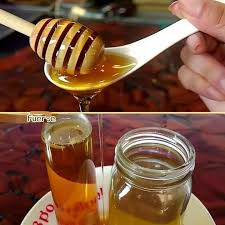
The bottle-flipping trick remains popular because it’s quick and entertaining, but real honey can’t be identified by one simple visual clue. Honey reflects its source, handling, and care. Understanding that complexity and choosing trusted sources helps safeguard both consumers and this extraordinary natural product.