When a Skin Rash Is More Than Just Irritation: What Visible Patches Can Tell Us
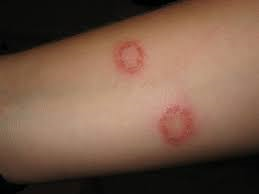
Skin changes are often the body’s first way of signaling that something isn’t quite right. Redness, raised bumps, itching, or circular patches can appear suddenly, sometimes without an obvious cause. The image above shows inflamed, clearly defined areas of skin that many people might initially dismiss as a minor reaction — but appearances like these often deserve closer attention.
A Common but Overlooked Concern
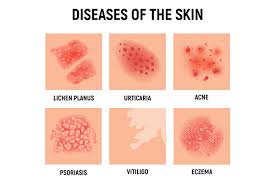
Rashes and skin lesions are among the most common reasons people visit primary care doctors and dermatologists. Yet many delay seeking help, assuming the issue will resolve on its own. In reality, visible skin changes can stem from a wide range of causes, including allergic reactions, fungal infections, autoimmune conditions, chronic inflammation, or environmental triggers.
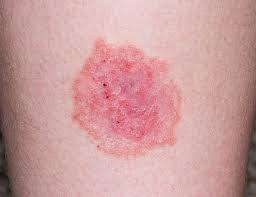
The circular, raised, or scaly nature of some rashes often leads people to confuse one condition for another. What looks like simple irritation may actually require specific treatment — and treating the wrong cause can make symptoms worse.
Why Skin Reactions Appear
The skin is the body’s largest organ and one of its most sensitive defense systems. When it reacts, it’s often responding to:
-
Irritants or allergens such as soaps, metals, fabrics, or plants
-
Infections, including fungal or bacterial sources
-
Immune system responses, where the body mistakenly attacks healthy skin cells
-
Stress and hormonal changes, which can trigger or worsen flare-ups
-
Environmental factors, such as heat, moisture, or prolonged friction
In many cases, rashes form in areas exposed to sweat, repeated contact, or minor breaks in the skin — conditions that allow irritation or infection to take hold.
The Risk of Self-Treatment
One of the biggest mistakes people make with visible rashes is self-diagnosing and applying over-the-counter creams without knowing the cause. For example, using steroid creams on certain infections can temporarily reduce redness while allowing the underlying problem to spread.
Similarly, antifungal treatments applied to non-fungal conditions may offer no relief at all, leading to prolonged discomfort and frustration.
This is why healthcare professionals emphasize observation, proper identification, and, when needed, medical evaluation — especially if a rash is persistent, spreading, painful, or changing in appearance.
When to Pay Attention
While some mild skin reactions resolve quickly, warning signs that should not be ignored include:
-
A rash that lasts more than a week without improvement
-
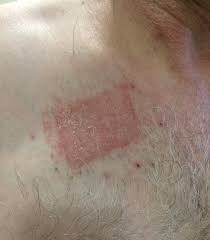
Distinct borders, scaling, or thickened skin
-
Itching, burning, or pain that interferes with daily activities
-
Spreading or multiplying patches
-
Signs of infection, such as warmth, swelling, or discharge
Early attention can prevent complications and reduce the risk of scarring or long-term skin damage.
The Emotional Impact of Visible Skin Conditions
Beyond physical discomfort, visible rashes can take an emotional toll. People often report embarrassment, anxiety, or self-consciousness — particularly when affected areas are hard to conceal.
This emotional burden can lead to social withdrawal or reluctance to seek help, reinforcing the importance of normalizing conversations around skin health. Skin conditions are common, manageable, and not a reflection of hygiene or personal failure.
A Reminder to Listen to Your Body
The skin often reflects what’s happening beneath the surface — from immune system activity to environmental stressors. Changes like those seen in the image are not uncommon, but they are meaningful signals that the body is asking for attention.
Rather than ignoring or masking symptoms, experts recommend taking a thoughtful approach: observe changes, avoid harsh products, and seek professional guidance when something doesn’t improve.
Final Thoughts
Skin rashes may look simple, but they rarely are. What starts as mild irritation can sometimes point to a deeper issue that benefits from proper care. Paying attention early — and responding with informed choices — can make all the difference in healing and long-term skin health.
If your skin is trying to tell you something, it’s worth listening.