Why Natural Pest Control Is Gaining Popularity—and What It Reveals About How We Live
In many homes, the effort to deal with flies, mosquitoes, and cockroaches has prompted a growing interest in alternatives to chemical insect sprays. This shift goes beyond simple convenience. It reflects increasing awareness about indoor air quality, long-term exposure to synthetic substances, and the potential risks these products pose to children and pets. While commercial pest control solutions have long promised quick and powerful results, they have also sparked concerns about lingering odors, chemical residue, and the need for repeated applications. As a result, more people are exploring gentler, time-tested approaches that emphasize prevention and balance rather than aggressive eradication.
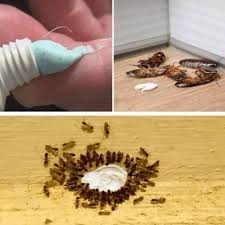
Natural pest control relies on basic, practical principles instead of complex chemical formulas. Maintaining cleanliness, limiting access to food and moisture, and understanding how insects behave are key components. Flies and cockroaches are attracted to crumbs, spills, and damp areas, while mosquitoes depend on standing water and warm, sheltered spots to thrive. By reducing these conditions, households can significantly limit pest activity without relying on harsh substances. Natural scents like peppermint, eucalyptus, and citrus are often discussed as deterrents—not as standalone solutions, but as part of a broader strategy to make living spaces less appealing to insects.
What draws many people to these methods is their connection to traditional household practices. Long before modern pesticides were widely available, families managed pests through observation, routine upkeep, and thoughtful home design. Simple measures such as installing screens, storing food in sealed containers, improving airflow, and performing regular maintenance were effective tools. This approach treats pest control as an ongoing habit rather than a one-time response, encouraging prevention through consistency and awareness instead of reaction.
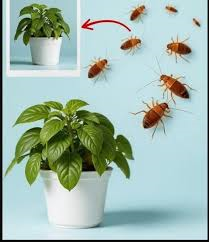
The renewed interest in natural pest management also reflects a wider cultural move toward more mindful living. In an increasingly fast-paced world, people are reconsidering what they introduce into their homes and how everyday choices affect long-term health and comfort. While no method offers a perfect solution, understanding why pests are drawn to certain environments gives homeowners greater control. Ultimately, the shift toward natural pest control is about more than managing insects—it represents a desire for safer, healthier living spaces built on informed decisions rather than quick fixes.
🏠 Put This in Your House: Natural Pest Repellent Recipe
You’ll need:
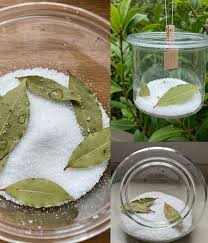
-
1 cup water
-
1 cup white vinegar
-
15–20 drops peppermint essential oil 🌿
-
10 drops eucalyptus or lemon essential oil 🍋
-
1 tablespoon dish soap (optional, helps mixture stick to surfaces)
-
Spray bottle
How to make it:
-
Pour the water and vinegar into a spray bottle.
-
Add the essential oils.
-
Add the dish soap (optional).
-
Shake well before each use.
How to use it:
-
Spray around windows, doors, sinks, trash cans, and corners
-
Lightly mist areas where flies, mosquitoes, or cockroaches appear
-
Reapply every 2–3 days or after cleaning
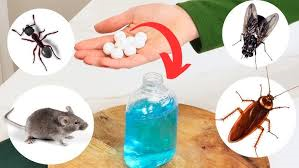
Why it works:
-
Vinegar disrupts scent trails
-
Peppermint and eucalyptus smells repel many insects
-
Soap helps the mixture cling to surfaces