From Small-Town Politeness to Hollywood Power: The Quiet Strength Behind an Unforgettable Star
In the 1980s, she emerged as one of Hollywood’s most distinctive stars, bringing a rare mix of boldness, eccentricity, emotional depth, and relatability to roles that helped reshape expectations for female leads. Geena Davis rose from a quiet New England upbringing to become an award-winning actor, a powerful advocate for gender equality in media, and a respected voice for women both on screen and beyond it.
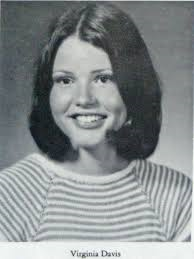
Behind the spotlight and success, however, were formative experiences that deeply influenced her worldview, personality, and creative direction. Born Virginia Elizabeth Davis on January 21, 1956, in Wareham, Massachusetts, Davis grew up in a coastal town defined by modest living, discipline, and humility. The values of her upbringing would later echo throughout her work and writing.
Roots in New England: A Quiet, Careful Childhood
Davis was raised by her parents, Bill and Lucille Davis, who embodied traditional New England sensibilities—self-reliant, reserved, and deeply committed to good manners. This cultural backdrop shaped her early years and later became a central theme in her memoir.
Growing up, Davis described her childhood as sheltered and intensely polite. Winters were long and harsh, heated by wood her father chopped himself, and family life revolved around order and propriety. In her 2022 memoir Dying of Politeness, she reflects on how this emphasis on agreeableness sometimes veered into danger.
One vivid childhood memory recounts an evening drive home with her 99-year-old great-uncle Jack, whose driving repeatedly drifted into oncoming traffic. Rather than speaking up, the family quietly moved her to a different seat, hoping it would somehow be safer. “I may be one of the few people who can honestly say they very nearly died of politeness,” Davis wrote.
This ingrained reluctance to speak out—learned early and reinforced often—became a recurring pattern she would later confront both personally and professionally. Her upbringing taught her that drawing attention to oneself, especially through complaint, was unacceptable. As she later explained, the unspoken rule was simple: don’t cause discomfort, no matter the cost.
Over time, Davis came to recognize how these early lessons influenced her understanding of boundaries, self-worth, and voice—insights that later informed both her advocacy work and her storytelling.
Standing Apart: Height, Identity, and Adolescence
Another defining element of Davis’s youth was her height. Taller than most of her peers, she often felt conspicuous rather than confident. Adolescence brought self-doubt and social discomfort, as standing out physically made her an easy target for teasing.
She later recalled how difficult it felt to exist outside accepted norms, remembering cruel nicknames and the sense of isolation that accompanied them. Despite this, Davis found grounding through creative and physical pursuits—playing the flute in the marching band, competing in track and field events like hurdles and high jump, and eventually studying abroad in Sweden, where she became fluent in the language.
These experiences provided balance and resilience, helping her discover strengths amid feelings of difference.
Finding Her Path: From Student to Screen
After high school, Davis attended New England College before transferring to Boston University’s College of Fine Arts. There, she studied drama and graduated in 1979. Soon after, she moved to New York City, supporting herself through various jobs—including waitressing, retail work, and serving as a window mannequin—while pursuing modeling and acting opportunities.
Her tall frame, expressive features, and poised presence led her to sign with the Zoli modeling agency, which proved to be a crucial stepping stone. That exposure opened doors to auditions and eventually led to her film debut.
Her first on-screen appearance came in Tootsie (1982), directed by Sydney Pollack. Though her role was small, the film’s success brought her valuable visibility and led to further opportunities in television and film.
Rising to Stardom
Throughout the 1980s, Davis steadily built a reputation as a versatile and compelling performer. Early television roles included the series Buffalo Bill (1983–84), as well as guest appearances on popular shows like Knight Rider and Family Ties.
Her film career gained momentum with The Fly (1986), a science-fiction horror remake co-starring Jeff Goldblum. The film showcased her emotional range and elevated her profile in Hollywood.
In 1988, Davis reached a new level of fame with Tim Burton’s Beetlejuice, a surreal comedy that became a cultural touchstone. That same year, she earned the Academy Award for Best Supporting Actress for her role as Muriel Pritchett in The Accidental Tourist, praised for her warmth, charm, and emotional nuance.
Her defining performance followed in 1991 with Thelma & Louise, directed by Ridley Scott. Playing Thelma Dickinson alongside Susan Sarandon, Davis helped bring to life a groundbreaking film that challenged gender norms and became a feminist classic. The role cemented her status as a leading figure in Hollywood.
She continued this trajectory with A League of Their Own (1992), portraying Dottie Hinson with a balance of strength, humor, and vulnerability that resonated deeply with audiences.
Challenging Norms in Hollywood
Throughout her career, Davis deliberately chose roles that resisted traditional stereotypes. She sought characters who possessed agency, complexity, and independence—women who shaped their own stories rather than existing as supporting figures.
Her work crossed genres, from comedy and drama to action and horror, reflecting both range and intention. Yet despite her success, Davis has spoken openly about the effects of ageism in Hollywood. As she entered her 40s, roles became scarce, a reality she described as her career falling “off a cliff,” even as she continued working in film and television.
Beyond Acting: Advocacy and Impact
Davis’s influence extends far beyond her acting career. In 2004, she founded the Geena Davis Institute on Gender in Media, an organization focused on increasing representation and reducing harmful stereotypes in entertainment.
The institute’s research—conducted in partnership with academic institutions and international organizations—has highlighted gender disparities in children’s programming and mainstream media, helping reshape conversations and industry practices worldwide.
She has also served as a UN special envoy for women and girls in information and communications technology, further advancing global advocacy for gender equity.
Personal Life and Motherhood
Davis’s personal life has included multiple marriages and profound family milestones. She was married to Richard Emmolo, Jeff Goldblum, Renny Harlin, and later Reza Jarrahy, with whom she had three children: daughter Alizeh and twin sons Kaiis and Kian.
Becoming a mother in her mid-40s marked a significant turning point. While she has kept details of fertility treatments private, motherhood reshaped her priorities and deepened her commitment to protecting her children from the pressures of celebrity life.
A Lasting Legacy
Now in her late 60s, Davis remains active in both entertainment and advocacy. She continues to pursue acting roles that challenge ageist expectations and reflect her evolving artistry, including upcoming projects such as the Duffer Brothers’ Netflix series The Boroughs.
Her memoir, Dying of Politeness, offers a deeply personal examination of identity, restraint, and self-assertion, weaving together her childhood experiences, Hollywood journey, and ongoing mission to amplify women’s voices.
More Than a Star
Geena Davis’s story is not simply one of fame, but of purpose and perseverance. From her modest beginnings in Wareham to global influence in film and advocacy, she has consistently used her platform to challenge norms and expand possibilities.
Her career—marked by memorable performances, social impact, and honest reflection—stands as a testament to authenticity, courage, and the power of meaningful work both on and off the screen.