Rethinking Toilet Paper: How Everyday Habits Are Shifting Toward Sustainability
Toilet paper has long been treated as an unquestioned household essential, something people buy automatically without much thought. That changes once sustainability becomes part of the picture. As environmental concerns move from abstract ideas to personal responsibility, everyday purchases start to feel more significant. Toilet paper itself isn’t suddenly a villain, but its sheer scale of use is hard to ignore once you become aware of it. When millions of people rely on the same disposable product every day, even the smallest routines begin to carry more weight.
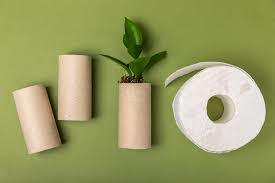
Greater awareness of how toilet paper is made plays a big role in this shift. Producing it requires trees, water, energy, and transportation, all of which contribute to environmental strain. As people learn more about deforestation, manufacturing pollution, and resource consumption, toilet paper no longer feels like an invisible product. For some, concerns about chemical additives or residues in certain paper goods add yet another reason to reconsider what they’re using. What was once a mindless purchase becomes a conscious decision, and once something becomes a decision, alternatives naturally come into focus.
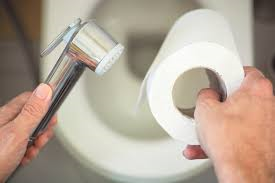
Water-based cleaning is one of those alternatives. In many regions of the world, washing with water has always been the norm, seen as cleaner and more practical than relying on paper alone. Now, that approach is gaining attention in places where toilet paper has dominated for decades. Bidets and bidet attachments are becoming more common, helped by designs that are easier to install, relatively affordable, and far less complicated than many people expect. Countries like Japan, where high-tech toilets are already widespread, have helped frame water-based cleaning as modern and comfortable, not strange. As people encounter these systems through travel or shared experiences, interest in bringing them home continues to grow.
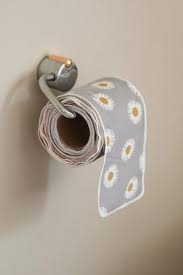
At the same time, reusable cloth options are finding a smaller but dedicated audience. These appeal mostly to people willing to sacrifice some convenience in exchange for less waste and long-term cost savings. While the idea may feel unfamiliar or awkward at first, the benefits are clear: reduced trash, fewer repeat purchases, and more control over what comes into contact with the body. Whether most households eventually adopt bidets, reusable materials, or a combination of both will depend on comfort levels, home setups, and willingness to invest upfront. What’s clear is that this shift goes beyond bathroom habits. It reflects a broader desire to live more thoughtfully and reduce environmental impact without feeling the need to take extreme measures.