The Environmental Habits That Shaped Health in the 1970s
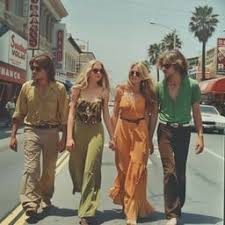
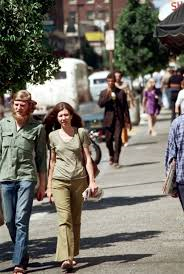
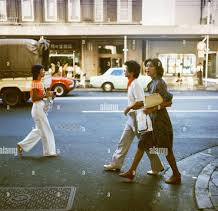
The widespread physical fitness seen during the 1970s was not driven by extraordinary self-discipline or elaborate workout routines. Instead, it emerged naturally from a lifestyle that required constant movement. Many families owned only one car—or none at all—making walking an essential part of everyday life. People walked to school, to work, and to nearby shops, accumulating miles without ever labeling it as “exercise.” Movement was woven seamlessly into daily routines, not scheduled or forced, but unavoidable and habitual.
Eating patterns were shaped just as much by circumstance as by choice. Meals were typically prepared at home using basic, whole ingredients, and highly processed foods were far less common. Portions were modest by today’s standards, and most people followed a predictable rhythm of three meals a day, allowing the body time to regulate hunger and energy naturally. Without constant access to snack foods or aggressive food marketing, eating was driven by necessity rather than impulse, helping maintain a stable balance between intake and activity.

The lack of constant digital entertainment also played a significant role. With no smartphones, social media, or endless streaming options, idle moments often led people to be physically active. When television programming ended for the evening, boredom pushed individuals outdoors, into social settings, or toward hands-on tasks. This naturally reduced sedentary time and helped regulate stress, sleep, and appetite—very different from today’s screen-heavy routines that often encourage inactivity and mindless consumption.
Taken together, the physical norms of the 1970s reveal an important truth: the human body functions best in environments that encourage movement and moderation without conscious effort. Rather than viewing modern health struggles as personal shortcomings, it becomes clear that they are often responses to environments built around convenience and immobility. By reintroducing simple practices—such as walking short distances, cooking with whole foods, and limiting screen time—people can recreate some of that lost balance and develop a healthier, more sustainable relationship with daily life.