More Than Just Spice: The Packaging Decision That Put a Major Brand in Court
In modern retail settings, shoppers rarely have the luxury of time. Purchasing decisions are often made in seconds, guided more by what catches the eye than by careful comparison of labels or ingredient lists. As a result, visual presentation has become one of the most powerful forces influencing consumer behavior—sometimes even more influential than price, brand loyalty, or product quality.
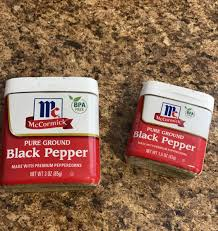
Packaging design plays a decisive role in this process. The height of a container, its width, color scheme, and placement on the shelf all subtly shape perception. Even small changes—such as a slightly taller jar or a redesigned label—can dramatically alter how much value a product appears to offer. A recent legal conflict within the spice industry illustrates just how consequential these subtle visual cues can be, both economically and ethically.
At the center of the dispute are two spice companies: McCormick & Company, a dominant name in the seasoning market, and Watkins Incorporated, a smaller competitor known for its emphasis on transparency. The controversy began when McCormick reduced the amount of black pepper in one of its best-selling containers, cutting the net weight from about eight ounces to roughly six ounces—a decrease of nearly 25 percent. Despite this reduction, the exterior dimensions of the container remained almost unchanged.
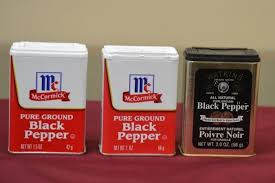
Watkins argues that this decision creates a misleading impression for consumers. Because McCormick’s container is opaque, shoppers cannot see how much product is inside. Watkins, by contrast, packages its pepper in clear jars, allowing customers to visually confirm the quantity. As a result, when both brands sit side by side on store shelves, McCormick’s jar appears larger and more substantial, even though the actual amount of pepper inside is the same—or less.
According to Watkins, this visual advantage unfairly sways consumer choice and may violate consumer protection laws. Behavioral research supports this concern. Studies in marketing psychology and behavioral economics show that shoppers frequently rely on visual shortcuts—known as heuristics—when making decisions. A taller container or broader lid can suggest greater value, regardless of what the fine print says. While net weight information is technically available on the label, many consumers do not take the time to read it during routine shopping trips.
When placed next to Watkins’ transparent jar, McCormick’s opaque packaging may subtly signal “more product,” nudging buyers toward it without their conscious awareness. This effect becomes even stronger when shoppers have purchased the same brand for years and assume consistency in quantity.
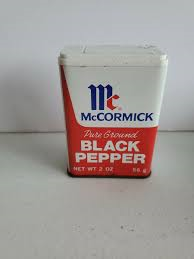
Legally, the conflict hinges on the distinction between formal compliance and practical transparency. McCormick maintains that it fully complies with federal labeling regulations, noting that the net weight is clearly stated on the container. The company argues that consumers bear responsibility for reviewing this information before purchasing. Watkins and consumer advocates counter that this expectation is unrealistic, given how people actually shop. They point out that most consumers rely on visual impressions rather than small-print disclosures, especially for familiar household items.
The disagreement has now escalated into class action lawsuits, with plaintiffs claiming they were misled and financially disadvantaged by the packaging change. The outcome could extend far beyond spices. If courts side with Watkins, the ruling may influence packaging practices across numerous industries, from snacks and beverages to cereals and condiments.
At stake is more than a few ounces of pepper. Consumer trust—a cornerstone of brand loyalty—is on the line. Brands are built not only on recognition but on perceived honesty. Even small actions that appear deceptive can undermine confidence built over decades. McCormick’s reputation spans more than a century, yet critics argue that subtle shrinkflation tactics can erode goodwill faster than advertising can restore it.
This case also highlights growing regulatory scrutiny around product presentation. Agencies like the Federal Trade Commission (FTC) and the Food and Drug Administration (FDA) establish labeling rules, but enforcement often occurs only after complaints or lawsuits arise. The McCormick-Watkins dispute underscores a critical gap: a product may meet technical requirements while still misleading consumers in practice.
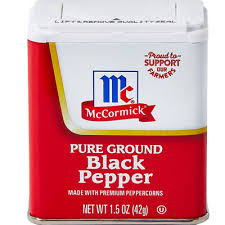
The psychological consequences are equally important. Consumers who later realize they received less than expected may feel betrayed, leading to frustration and reduced brand loyalty. For companies, the short-term financial benefit of maintaining shelf presence through visual dominance must be weighed against potential reputational damage, legal exposure, and increased regulatory attention.
In today’s digital environment, these risks are amplified. Social media, online reviews, and word-of-mouth can rapidly spread perceptions of unfairness, turning minor packaging decisions into national controversies.
The conflict also illustrates the power imbalance between large corporations and smaller competitors. McCormick’s scale allows it to influence consumer perception through widespread packaging strategies. Watkins, lacking comparable marketing resources, positions itself as a champion of visibility and informed choice. The dispute thus reflects a broader debate about fairness, competition, and ethical responsibility in consumer markets.
Legal experts note that similar cases involving shrinkflation have already shaped judicial thinking. Courts often evaluate whether an “average consumer” could reasonably be misled—not just whether information is technically present. Watkins’ argument aligns with this precedent: unchanged container size combined with opaque packaging creates a plausible risk of confusion.
Should the courts rule against McCormick, the implications could be far-reaching. Companies may be pressured to redesign packaging, increase transparency, or rethink marketing tactics that rely on visual illusions. Some analysts predict a shift toward clearer containers and more prominent quantity disclosures as brands seek to rebuild trust.
From an ethical standpoint, the issue raises fundamental questions about consumer respect. Transparency is no longer just a regulatory checkbox—it is increasingly viewed as a moral obligation. Companies must ask whether their packaging empowers shoppers to make informed decisions or subtly manipulates perception for profit.
Ultimately, the McCormick versus Watkins dispute reveals how seemingly minor design choices can have major consequences. An opaque jar, an unchanged shape, or a reduced fill level can influence behavior, alter competition, and trigger legal accountability. In a marketplace where trust is fragile and visibility is everything, transparency may prove to be not just good ethics—but good business.