How to Safely Eliminate Mold at Home Using Hydrogen Peroxide
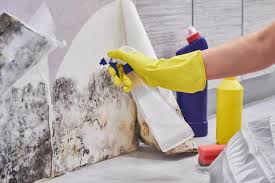
Mold inside the home is more than an eyesore—it can pose serious health concerns if left untreated. While dark patches on walls or ceilings may seem harmless at first, mold spores can aggravate allergies, worsen asthma, irritate skin, and cause respiratory discomfort. Children, older adults, and individuals with weakened immune systems are particularly vulnerable.
Even when symptoms aren’t immediately noticeable, long-term exposure to mold can quietly contribute to chronic breathing issues and ongoing discomfort. That’s why addressing mold quickly and thoroughly is essential—not just to protect your home, but to safeguard your family’s health.
Why Mold Spreads So Easily Indoors
Mold flourishes in moist, poorly ventilated environments. Areas such as bathrooms, basements, kitchens, and laundry rooms are especially susceptible. It can grow on walls, ceilings, carpets, wood, furniture, and even inside insulation.
Leaks, condensation, flooding, or high humidity create ideal conditions for mold spores to settle and multiply. Because mold often penetrates porous surfaces, simply wiping away what you see on the surface isn’t always enough. If ignored, mold can weaken
building materials and lead to costly repairs over time.
Why Hydrogen Peroxide Is a Better Choice Than Bleach
Many homeowners instinctively reach for bleach when mold appears, but bleach has important drawbacks. While it may kill surface mold, it does not penetrate porous materials like drywall, wood, or fabric. This allows mold roots to survive and grow back. Bleach can also leave behind harsh chemical residues that may irritate the lungs and skin.
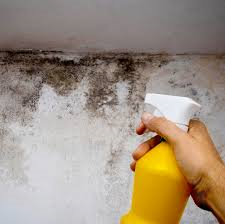
Hydrogen peroxide offers a safer and more effective alternative. It is naturally antifungal, antibacterial, and antiviral, and it penetrates porous materials to destroy mold at its source. A standard 3% hydrogen peroxide solution—readily available at most pharmacies and grocery stores—is strong enough for household mold removal.
Unlike bleach, hydrogen peroxide breaks down into water and oxygen after use, leaving no toxic residue. This makes it especially suitable for homes with children, pets, or anyone sensitive to strong chemicals.
What You’ll Need Before You Begin
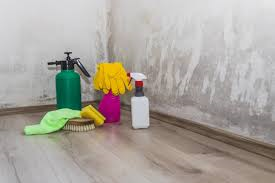
Proper preparation helps protect you and prevents mold spores from spreading:
-
3% hydrogen peroxide in a spray bottle
-
Protective gloves
-
Safety goggles
-
A mask or respirator
-
A medium-bristle scrub brush
-
Clean cloths or sponges
-
Plastic sheets to cover nearby furniture or floors
Ventilation is critical. Open windows and doors, and use fans if possible to circulate air. This reduces exposure to airborne spores and helps treated surfaces dry more quickly.
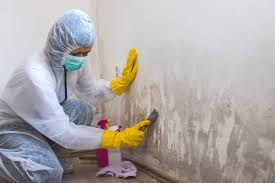
Step-by-Step Mold Removal Using Hydrogen Peroxide
1. Apply the Solution
Spray hydrogen peroxide generously over the moldy area, fully saturating the surface. For larger areas, work in sections to ensure thorough coverage.
2. Let It Work
Allow the solution to sit for at least 10 minutes. During this time, it penetrates the material and begins breaking down mold at the root. Bubbling or fizzing may occur—this is a normal sign that the peroxide is actively working.
3. Scrub the Surface
Use a scrub brush to remove visible mold and loosen spores embedded in cracks and pores. Textured surfaces may require extra attention.
4. Wipe Clean
Wipe the area with a clean cloth or sponge, removing residue and loosened mold. For stubborn spots, repeat the spraying and scrubbing process until the surface is completely clean.
5. Dry Thoroughly
Drying is essential to prevent mold from returning. Use fans, towels, or a dehumidifier to remove all moisture. In humid areas, aim to keep indoor humidity below 60%.
How to Prevent Mold from Coming Back
Once mold is removed, prevention is key:
-
Repair leaks immediately: Even small drips can lead to mold growth over time.
-
Manage humidity: Keep indoor humidity between 30–60% using dehumidifiers or air conditioning.
-
Improve airflow: Use exhaust fans in kitchens and bathrooms, and open windows when possible.
-
Choose mold-resistant materials: Use mold-resistant paints or drywall in moisture-prone areas.
-
Clean regularly: Pay special attention to window sills, tiles, basements, and laundry areas.
-
Watch indoor plants: Overwatering can increase humidity and encourage mold growth nearby.
Important Safety Guidelines
Although hydrogen peroxide is safer than many alternatives, it should still be used carefully:
-
Always wear protective gloves, goggles, and a mask
-
Never mix hydrogen peroxide with bleach or vinegar—this can create toxic fumes
-
Ensure good ventilation during cleaning
-
Dispose of used cloths or sponges properly to avoid spreading spores
How Hydrogen Peroxide Compares to Other Remedies
-
Bleach: Surface-level results, toxic residue, ineffective on porous materials
-
Vinegar: Effective for some mold types but limited penetration and strong odor
-
Baking soda: Helpful for odors and prevention, but not sufficient alone
-
Commercial cleaners: Effective but often contain harsh chemicals
Hydrogen peroxide stands out as a balanced solution—effective, non-toxic, and safe for regular household use.
Extra Tips for Severe Mold Problems
-
Sand wood surfaces lightly after treatment and seal with mold-resistant finishes
-
Wash moldy fabrics in hot water and dry in direct sunlight when possible
-
Heavily contaminated carpets may require professional cleaning or replacement
-
Persistent mold on walls or ceilings may require removal of affected drywall
Final Thoughts
Mold isn’t just a cosmetic issue—it can compromise both your health and your home. Hydrogen peroxide provides a safe, accessible, and effective way to eliminate mold and stop it at the source.
With careful application, proper ventilation, and consistent moisture control, you can create a healthier living environment and significantly reduce the risk of future mold problems.
Hydrogen peroxide doesn’t just clean—it penetrates, neutralizes, and protects. When used correctly, it becomes a powerful tool in keeping your home safe, clean, and mold-free for years to come.