The Overlooked Power of Guava Leaves: A Natural Wellness Secret Hidden in Plain Sight
Many of us happily enjoy the juicy, tropical flavor of guava fruit without ever giving a second thought to the leaves growing on the same tree. Those simple green leaves—often ignored, swept away in gardens, or casually used in old home remedies—actually contain a remarkable range of natural compounds. When people search for gentle, plant-based ways to support everyday wellness, they often overlook what has been valued quietly for generations.
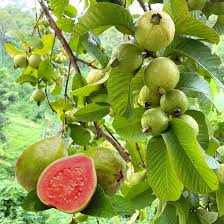
What makes this especially interesting is that modern research is beginning to explain why guava leaves have held such an important place in traditional practices around the world. As scientists take a closer look, these humble leaves are revealing benefits that go far beyond folklore. By the end of this, you may see guava leaves in an entirely new light—and even feel inspired to use them in a simple, practical way.
Why Guava Leaves Stand Out
Guava leaves come from the Psidium guajava tree, native to tropical climates but now grown widely across the globe. These leaves are naturally rich in flavonoids like quercetin, along with tannins, polyphenols, and other antioxidants. Research summarized in scientific health databases has shown that these compounds contribute to strong antioxidant activity, which helps the body manage oxidative stress—a common concern linked to many modern lifestyle challenges.
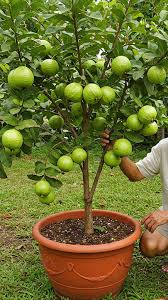
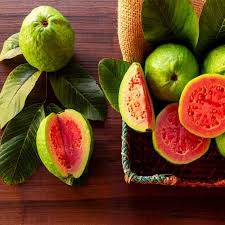
Early studies also suggest that guava leaves may help support balanced blood sugar levels already within a healthy range. Certain compounds appear to slow carbohydrate absorption, which could explain why these leaves have long been used in traditional wellness routines.
A Gentle Ally for Digestive Comfort
One of the most well-known traditional uses of guava leaves is for digestive support. In many cultures, guava leaf tea has been prepared for generations to ease occasional stomach discomfort.
Modern findings provide some support for this practice. Guava leaf extracts have demonstrated antimicrobial properties in laboratory studies, which may help maintain a healthy digestive environment. Their natural astringent qualities may also contribute to soothing the digestive tract. Some research even suggests that guava leaves could help shorten the duration of mild digestive issues, making them a gentle and natural option to consider.
Powerful Natural Compounds Inside Guava Leaves
-
Quercetin: A potent antioxidant flavonoid
-
Tannins: Known for their astringent properties
-
Vitamin C and polyphenols: Support cellular health
-
Essential oils: Contribute to aroma and potential wellness effects
An Antioxidant Boost Hidden in Plain Sight
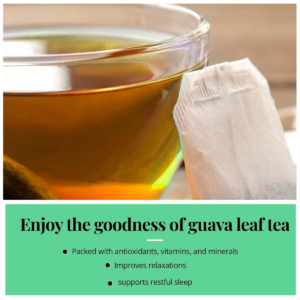
Antioxidants play a crucial role in protecting our cells from everyday stress. Interestingly, guava leaves often contain higher concentrations of antioxidants than the fruit itself. Scientific reviews have shown that guava leaf extracts are highly effective at neutralizing free radicals in laboratory testing, which may support immune health and overall vitality.
Drinking guava leaf tea can be a simple, soothing way to add more antioxidants to your daily routine—without complicated supplements or drastic changes.
A Simple Ending Worth Remembering
Sometimes, the most powerful natural supports are the ones we’ve been overlooking all along. Guava leaves, quietly growing beside a fruit we already love, offer a blend of tradition and science that’s hard to ignore. Whether brewed into a warm tea or explored further as part of a mindful wellness routine, these leaves remind us that nature often provides more than meets the eye—if we’re willing to look a little closer.