Back When Laughter Came Easy: A Time When Hee Haw Brought Us All Together
Hee Haw was never just another television program—it became a shared experience, a familiar gathering point for millions of American families. When it premiered in 1969, during a period of sweeping social change, the show offered something refreshingly different: humor, music, and storytelling rooted in rural life, delivered with warmth and sincerity.
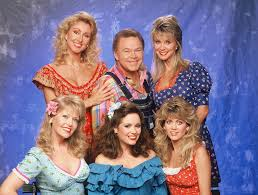
Each episode welcomed viewers into a playful, exaggerated countryside filled with barnyard jokes, musical numbers, and comedic sketches that reflected everyday experiences. For many households, Hee Haw turned weekend evenings into a tradition—an opportunity to laugh together, connect, and enjoy entertainment free from the distractions and pressures that define modern media.
Watching an unedited clip today feels like opening a time capsule. It transports audiences back to an era when television moved at a gentler pace and focused on human connection rather than spectacle.
A Portal to Shared Nostalgia
Much of Hee Haw’s lasting charm comes from its authenticity. Unlike today’s tightly polished productions, the show embraced spontaneity and imperfection. Performers weren’t distant stars—they felt like neighbors or old friends.
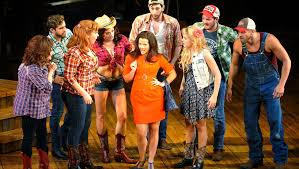
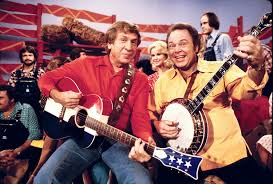
Legends such as Roy Clark and Buck Owens shared the screen with beloved regulars like Grandpa Jones and Minnie Pearl, whose warmth and approachability made audiences feel instantly at home. The show’s famous “Kornfield Kounty” jokes relied on wordplay, physical comedy, and light satire, poking fun at everyday quirks without cruelty.
These short segments didn’t just entertain—they reflected real life. They touched on family relationships, small-town gossip, and the humorous side of ordinary struggles, offering gentle insight into rural culture.
Music as Cultural Preservation
Live music was the soul of Hee Haw. Country, bluegrass, gospel, and folk performances were woven seamlessly into each episode. These weren’t background elements—they were central to the show’s identity.
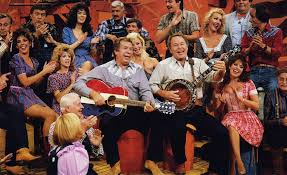
By featuring live performances, Hee Haw preserved musical traditions that often went underrepresented on mainstream television. It introduced many viewers to the depth and richness of country music, celebrating both contemporary hits and timeless classics.
In doing so, the show became more than entertainment—it became a vessel for cultural memory.
Timeless Appeal Through Imperfection
One of Hee Haw’s defining qualities was its honesty. Uncut scenes reveal small human moments: a forgotten line, a burst of laughter, a shared smile. These imperfections didn’t detract from the show—they made it relatable.
At a time when modern television often relies on heavy editing and visual effects, Hee Haw stands out as a reminder that genuine warmth and sincerity resonate far more deeply than flawless production.
Its humor was kind, never cynical. It celebrated resilience, community, and the simple joy found in everyday life. That spirit continues to connect with viewers decades later.
A Bridge Across Generations
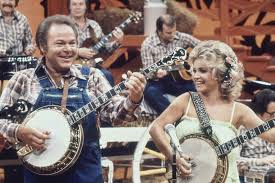
Although Hee Haw first aired more than fifty years ago, its influence endures. New generations discovering the show through archives or streaming services still respond to its humor and heart.
Beyond nostalgia, the program serves as a historical snapshot of rural America—its values, aesthetics, and rhythms during a transformative time. It captures traditions and lifestyles that might otherwise fade from collective memory.
At the same time, Hee Haw appealed to universal themes: family, laughter, music, and togetherness. These elements allowed the show to transcend geography and age, making it something grandparents, parents, and children could all enjoy together.
Comedy with Heart
The show’s comedy was grounded in empathy. Characters like Grandpa Jones and Minnie Pearl brought exaggerated personalities to life, but always with affection rather than mockery.
The humor sprang from shared experiences—neighbors, family life, seasonal work—and found its strength in relatability. It uplifted rather than divided, offering a rare form of entertainment that felt inclusive and comforting.
What Hee Haw Still Teaches Us
At its core, Hee Haw proved that the most powerful entertainment comes from authenticity. Its unpolished moments, live music, and spontaneous laughter created something deeply human.
The show reminds us that storytelling is strongest when it invites participation, fosters connection, and reflects real life with honesty and warmth. These qualities allow it to remain relevant long after trends fade.
A Legacy That Endures
An unedited Hee Haw clip is more than nostalgia—it’s a celebration of culture, community, and shared joy. Through music, humor, and storytelling, the show preserved the spirit of rural Americana and the values of resilience, togetherness, and simplicity.
Its influence continues to inspire, offering a timeless lesson: entertainment doesn’t need excess to be meaningful. Sometimes, all it takes is sincerity, laughter, and a sense of belonging.
For audiences both old and new, Hee Haw remains a reminder that the most enduring moments are often the simplest ones—shared, heartfelt, and unmistakably human.