Public Photos Spark Renewed Questions About Presidential Health, Officials Reference Medical Findings
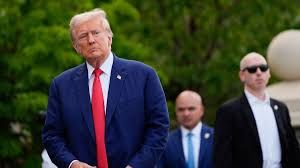
Public curiosity about the physical condition of American presidents is nothing new. From Franklin D. Roosevelt quietly governing while managing polio to John F. Kennedy enduring chronic pain behind the scenes, the health of U.S. leaders has long drawn attention, speculation, and debate. That interest tends to intensify when the president is a highly visible and polarizing figure—particularly in an era dominated by instant media and social platforms.
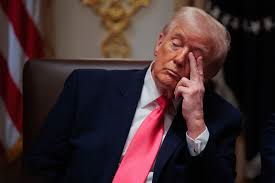
That dynamic has resurfaced in recent weeks surrounding Donald Trump, the 45th and now 47th President of the United States. A single image from a public appearance reignited conversations about his health, demonstrating how age, leadership, and modern media scrutiny intersect in unprecedented ways.
For older Americans who remember past presidential health discussions unfolding slowly through newspapers and evening news broadcasts, the current wave of online analysis feels familiar—but far louder and faster.
A Longstanding Pattern in American Politics
Throughout U.S. history, questions about presidential health have repeatedly entered public discourse. Roosevelt’s disability was largely concealed from voters. Kennedy’s serious medical issues became widely known only after his death. Ronald Reagan’s physical and cognitive health was closely watched during his later years in office.
In each instance, political leadership, physical endurance, and public perception became tightly intertwined. Donald Trump joined this historical pattern during his first presidential run, when health and stamina—both his own and his opponents’—became recurring political talking points.
Leadership Under Intense Public Observation
Trump’s return to the presidency came amid complex global and domestic challenges, placing renewed focus on leadership capacity, resilience, and experience. His age—making him the oldest president to begin a second term—naturally drew attention, particularly among Americans reflecting on how aging intersects with demanding roles.
While experience often brings perspective and judgment, it also invites questions about physical stamina and long-term endurance. During the campaign period, Trump’s opponent, Vice President Kamala Harris, released comprehensive medical records to reassure voters. Trump chose a different approach, emphasizing his energy and capability while declining to release similarly detailed documentation.
That decision, consistent with his previous campaigns, left room for continued discussion.
What the Medical Summary Reported
In April, the White House physician issued a formal health summary following Trump’s annual examination. The report listed his height at 6’3” and weight at 224 pounds, noting that cardiovascular, pulmonary, neurological, vision, and hearing assessments fell within expected ranges for his age.
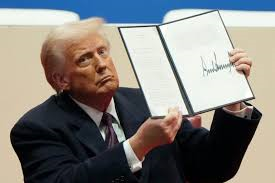
The physician confirmed that Trump had undergone a preventive medical procedure the previous year to address a noncancerous condition and that follow-up care was ongoing as part of routine monitoring. The report also outlined commonly prescribed medications related to cholesterol and preventive health.
Trump later told reporters he had completed multiple evaluations, including cognitive testing, and expressed confidence in the results. Supporters viewed the report as confirmation of his fitness, while critics argued it lacked sufficient detail.
The Photo That Sparked Online Debate
The renewed speculation intensified after Trump attended a UFC event in June. A widely shared photo showed him standing ringside with a championship belt placed around his waist for a brief moment.
Almost immediately, social media users began scrutinizing the image, pointing to perceived irregularities beneath his clothing. Some suggested possible medical devices or injuries, while others offered benign explanations such as clothing folds, posture, lighting, or camera angle.
Within hours, the image spread across platforms, accompanied by confident but unverified claims from users asserting medical conclusions.
Medical Experts Urge Caution
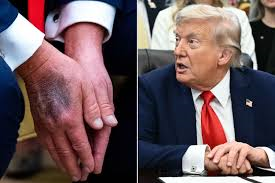
Healthcare professionals cautioned against drawing conclusions from a single photograph. Medical experts emphasize that diagnosing health conditions requires thorough examinations, patient history, and testing—not isolated images.
Clothing structure, movement, and lighting can easily create misleading visuals. Even trained clinicians rely on comprehensive data rather than snapshots, a distinction many older Americans recognize from decades of reliance on professional medical guidance rather than online speculation.
Official Clarifications and Fact-Checking
As theories circulated, fact-checking organization Snopes reviewed the claims and contacted the White House. A spokesperson dismissed the online speculation, citing the recent medical report as the authoritative source on the president’s health.
Officials criticized the spread of unverified theories, urging the public to rely on confirmed medical evaluations rather than viral conjecture amplified by social media.
Why Health Stories Gain Momentum
Health-related discussions resonate deeply because they touch on universal human concerns—aging, endurance, and capability. When the individual involved holds the nation’s highest office, those concerns feel even more personal.
In the digital era, speculation spreads rapidly. What once unfolded over weeks now unfolds in minutes. Older generations may recognize the familiar pattern—only accelerated and magnified.
Separating Curiosity From Conclusion
At the heart of these discussions lies a balance between transparency and responsible reporting. While public interest in a president’s health is understandable, speculation based on incomplete information can distort reality.
Official medical summaries, though not exhaustive, remain the most reliable source available. Viral images and online analysis rarely offer sufficient context.
A Reflection of Modern Public Discourse
The debate surrounding Trump’s health reflects broader shifts in media culture. Social platforms reward immediacy and sensationalism, often before verification occurs.
Public engagement is not inherently harmful—but replacing facts with assumptions undermines constructive discourse. Encouraging media literacy, careful evaluation of sources, and restraint in interpretation remains essential.
Final Thoughts
The renewed focus on President Donald Trump’s health highlights the convergence of aging leadership, media scrutiny, and modern communication dynamics. From a single photo to widespread online debate and official responses, the episode underscores how quickly speculation can overshadow verified information.
Presidents are human, subject to the same biological realities as everyone else. Transparency matters—but so does caution.
For readers with decades of perspective, the lesson remains clear: photographs and viral commentary rarely tell the full story. Verified medical assessments and measured analysis remain the most responsible foundation for public understanding.
In an era of rapid digital communication, calm evaluation and fact-based reasoning are more important than ever for preserving thoughtful civic dialogue.