The Price of Stardom: A Childhood Spent Performing Instead of Living
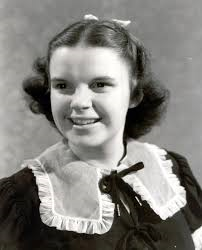
Long before Judy Garland became one of the most enduring icons in Hollywood history, she was a child growing up in an environment that demanded far more than any child ever should. Born into a family of entertainers, she was placed onstage before the age of three, learning almost immediately that love, praise, and security were tied to performance. Stability was scarce in her early life, replaced by tension, uncertainty, and emotional strain. Though the world would later see only her brilliance, the girl behind the spotlight was raised under constant pressure, with little space for rest, safety, or a true childhood.
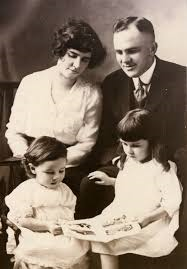
Her parents’ relationship was deeply troubled, and her mother—who also served as her manager—maintained strict control over nearly every part of Judy’s life. Judy later spoke of growing up with the belief that her value existed only when she was entertaining others, a mindset that followed her well into adulthood. From an early age, she was immersed in adult settings, required to work long hours, and taught that fatigue was simply something to be endured. To keep her performing, she was reportedly given substances to regulate her energy and sleep, introducing dependence before she was old enough to grasp its consequences. Emotional needs were secondary in an industry that rewarded output above all else.
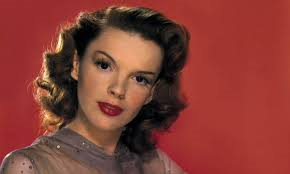
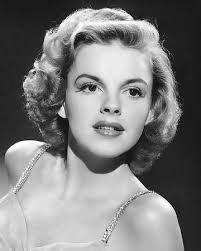
When she signed with MGM in the mid-1930s, her career took off—but so did the intensity of the demands placed upon her. Studio executives closely monitored her appearance, enforced strict diets, and reinforced insecurities she had carried since childhood. She was kept in near-constant production, often juggling multiple projects without time to recover physically or emotionally, or to process personal pain. Audiences around the world celebrated her unforgettable performance in The Wizard of Oz, unaware of how deeply she was struggling behind the scenes. By the time she reached her early twenties, Judy had already endured a level of stress and emotional hardship that many never experience in an entire lifetime.
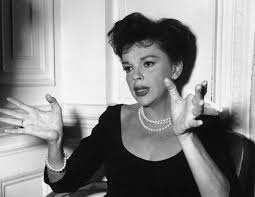
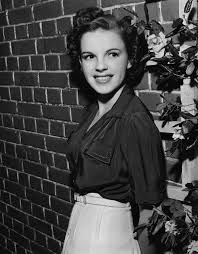
Yet despite everything, Judy Garland continued to give performances marked by extraordinary warmth, vulnerability, and emotional honesty. She achieved tremendous success on screen and on stage, even as she privately fought exhaustion, insecurity, and profound sadness. Her life became a repeated cycle of remarkable triumphs followed by efforts to heal, a reality she once acknowledged with a mix of humor and pain. When she died at just 47 years old, the world grieved the loss of a legend—but her story remains a powerful reminder of the dangers of fame without care or protection. Judy Garland’s legacy is not only her immense talent, but her resilience. She continued to sing, to give, and to hope, even when the burdens of her past never fully released their hold on her.