Hidden Risks Around Your Vehicle Most Drivers Overlook
Your car is more than transportation — it’s a personal environment, a place of privacy, and often the primary way you move through daily life. Because of this, many people naturally assume they are safe once they are inside. However, unusual behavior involving car doors — particularly on the passenger side — may sometimes signal issues that go beyond simple mechanical glitches.
Understanding potential risks and knowing how to respond appropriately can help prevent accidents, avoid security threats, and maintain overall vehicle safety. This guide outlines how to identify door-related concerns, react safely, and maintain protection for both yourself and your vehicle.
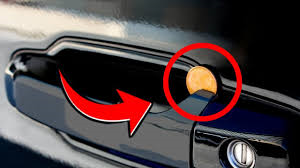
Step 1: Examine the Passenger-Side Handle
If a door begins acting unpredictably, your first step should be a careful inspection of the passenger-side handle. Obstructions can interfere with locking mechanisms and prevent normal operation. Common reasons include:
-
Foreign objects or debris – Items like coins, screws, or dirt may lodge inside the mechanism. While sometimes accidental, such obstructions can also be placed intentionally to weaken security.
-
Normal wear and tear – Springs loosen, latches shift, and handles degrade over time, potentially creating symptoms similar to tampering.
-
Weather conditions – Temperature changes can freeze or warp materials, causing temporary malfunction.
When checking the handle:
-
Look for scratches, unusual marks, or visible blockages.
-
Test movement gently — avoid forcing it.
-
If an obstruction is present, remove it cautiously using gloves or tools designed for delicate handling.
If no clear issue is visible yet functionality remains compromised, consider both mechanical and safety implications. Problems with locks or handles should always be taken seriously.

Step 2: Stay Environmentally Aware
Vehicle safety extends beyond mechanics — situational awareness plays a major role. Before approaching your car:
-
Scan the surrounding area for unusual behavior or unfamiliar activity.
-
Pay attention to instinctive discomfort; intuition can be valuable.
-
Limit distractions such as phones or headphones.
-
Look for signs of interference, including scratches or unfamiliar objects.
Preparedness tools — such as flashlights or personal safety devices — can add another layer of confidence, particularly in poorly lit environments.
Step 3: Avoid Returning Alone if You Feel Unsafe
If something seems wrong or suspicious:
-
Move to a safer, populated location.
-
Contact authorities or someone you trust.
-
Do not confront unknown individuals.
-
Record details with photos if safe to do so.
Isolation increases vulnerability, so prioritizing visibility and assistance is essential.
Step 4: Know Common Door Vulnerabilities
Understanding typical manipulation tactics helps with prevention:
-
Tools designed to bypass locks
-
Objects inserted to block mechanisms
-
Damage that weakens handles over time
Preventative habits include regular inspection, keeping doors locked, and remaining observant when approaching your vehicle.
Step 5: Adopt Safe Parking Habits
Practical safety behaviors significantly reduce risk:
-
Park in bright, visible locations
-
Stay attentive while walking to your car
-
Have keys ready
-
Check the interior before entry
Combining attention with preparation limits exposure to both accidents and criminal opportunity.

Step 6: Maintain Door Functionality
Routine maintenance protects both convenience and safety:
-
Lubricate hinges and locks
-
Ensure alignment of doors
-
Monitor seals and weather stripping
-
Seek professional inspection when needed
Well-maintained components reduce mechanical failure and security risk.
Step 7: Follow Emergency Response Steps
If encountering suspicious circumstances:
-
Remain calm
-
Keep doors locked
-
Request assistance
-
Move to safe areas
-
Wait until conditions improve
Practice helps ensure these actions become instinctive when needed.
Step 8: Value Awareness and Preparation
Unexpected issues can occur without warning. Developing alert habits strengthens safety without encouraging fear. Helpful practices include:
-
Using audible alerts if threatened
-
Carrying safety tools
-
Walking with others when possible
-
Reporting suspicious activity
Preparedness fosters confidence rather than anxiety.
Step 9: Identify Early Warning Indicators
Watch for:
-
Unfamiliar objects on or near handles
-
Unusual nearby activity
-
Interactions that restrict movement
-
Marks or tampering signs
Early recognition allows proactive response.
Conclusion
Car doors represent more than access points — they are part of your safety system. Monitoring their condition, remaining aware of surroundings, and following preventative habits can protect against both mechanical issues and security threats.
Key reminders:
-
Inspect handles regularly
-
Maintain environmental awareness
-
Seek help if something seems wrong
-
Keep locks maintained
-
Develop safety routines
Preparedness is about empowerment rather than fear. By combining practical awareness, consistent maintenance, and thoughtful response strategies, you can navigate daily travel with confidence and security.
Small irregularities should never be dismissed — treating them seriously ensures protection for both you and your vehicle.