A Hollywood Icon’s Story of Survival and Success
Winona Ryder’s name is deeply woven into Hollywood history — associated with defining films of the 1990s, artistic versatility, and a career that has endured across decades. Yet the narrative behind her success reaches far beyond cinematic recognition. It is rooted in adversity, emotional resilience, and formative experiences that shaped her long before global fame arrived.
Born Winona Laura Horowitz on October 29, 1971, in Winona County, Minnesota, she was raised in an intellectually rich environment where storytelling, literature, and cultural awareness were central to daily life. Her mother, Cynthia Palmer, worked as a video producer and author, while her father, Michael D. Horowitz, was involved in publishing and rare literature. This exposure to creative disciplines cultivated analytical thinking and emotional awareness — traits that later translated into her nuanced performances.

However, her upbringing also included confronting complex historical realities. Family stories tied to World War II and the Holocaust deeply influenced her early worldview. These accounts introduced themes of loss, survival, and human empathy at a young age. Rather than shielding her, her parents chose honesty, allowing her to process difficult truths through reading and research. This early intellectual engagement fostered psychological depth — an attribute often noted by critics evaluating her later acting work.
A Defining Childhood Event
At age 12, Ryder began formal training at the American Conservatory Theater in San Francisco — a milestone that marked the start of professional artistic development. That same year, she survived a near-fatal drowning incident. Resuscitated after losing a pulse, she developed a lasting fear of water — a trauma that followed her into adulthood.
Years later, this fear presented a professional challenge when filming underwater sequences for Alien: Resurrection. Rather than avoiding the situation, Ryder underwent extensive preparation and training, illustrating a mindset valuable in performance-driven industries: confronting limitations through discipline and preparation.

Early Social Challenges
Her youth also included significant bullying due to appearance and identity misconceptions. One violent incident resulted in hospitalization, reinforcing the emotional challenges she faced outside the creative environment. Institutional responses offered little support, further emphasizing the resilience required to navigate adolescence.
These experiences did not disappear with early fame. Even after achieving recognition through film, she encountered continued social hostility. Such adversity contributed to emotional maturity and authenticity — qualities that enhanced her screen presence and audience relatability.
Career Expansion and Industry Recognition
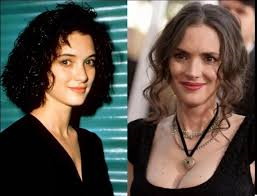
Ryder’s breakthrough in Beetlejuice introduced audiences to her distinctive artistic style. Subsequent projects, including Heathers and Edward Scissorhands, demonstrated versatility and elevated her industry reputation. These roles positioned her within a competitive market as both commercially appealing and critically respected.
Her Academy Award nominations for The Age of Innocence and Little Women confirmed her standing within high-caliber cinematic circles, expanding opportunities and solidifying long-term career viability — a key factor in sustaining visibility in the entertainment economy.
Psychological and Public Pressures
Despite success, Ryder navigated ongoing mental health challenges, including anxiety and depression. Choosing to step back for treatment demonstrated prioritization of long-term well-being — a perspective increasingly emphasized in modern workplace and performance psychology discussions.
Media scrutiny surrounding high-profile relationships added additional pressure, highlighting the intersection between public exposure and emotional health. Her candid reflections on these experiences have contributed to ongoing dialogue about celebrity mental health awareness.

Industry Challenges and Personal Safety
Professional environments sometimes presented additional obstacles, including intense directing methods and personal security concerns such as stalking incidents. These realities underscore the broader complexities of high-visibility careers where opportunity and risk often coexist.
Strategic Career Reset and Reinvention
After stepping away from acting in the early 2000s, Ryder gradually rebuilt her presence through selective roles before achieving renewed prominence with Stranger Things. The project reintroduced her to global audiences while demonstrating adaptability — a valuable trait in industries shaped by technological and cultural change.
Advocacy and Cultural Contribution
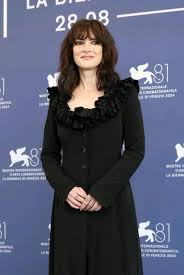
Ryder’s openness regarding psychological challenges has positioned her as a voice in mental health awareness conversations. Her willingness to share personal experiences resonates across demographics, extending influence beyond entertainment into social impact.
Enduring Legacy
Her journey from adversity to international recognition represents more than artistic success; it illustrates the importance of resilience, adaptability, and authenticity in long-term career sustainability. Ryder’s continued relevance reflects strategic evolution and emotional transparency — qualities increasingly valued in media narratives and audience engagement.

Conclusion
Winona Ryder’s story exemplifies transformation through perseverance. Childhood trauma, social hardship, and professional pressures could have redirected her path entirely. Instead, they informed a career characterized by depth, longevity, and reinvention.
From cult-classic films to modern streaming success, her legacy demonstrates that sustained achievement often emerges not from ease, but from navigating complexity with courage and self-awareness. Her experience offers a compelling case study in resilience — relevant not only within entertainment but across broader discussions of mental health, personal development, and cultural influence.