“Melania Trump’s Documentary and the Unexpected Box Office Struggle”
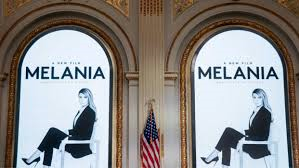
Melania Trump, the former First Lady of the United States, is preparing to release her documentary film Melania on January 30—a project that has sparked both strong interest and notable controversy. Designed as a cinematic look into her life, experiences, and public role, the film was initially met with high expectations from supporters of the Trump family.
Yet as the premiere date approaches, early ticket sales suggest the public response may not match the heavy promotional push, creating an unexpected storyline around the release.
Inside the Documentary
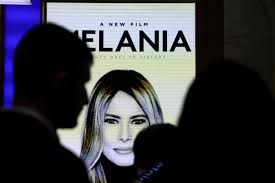
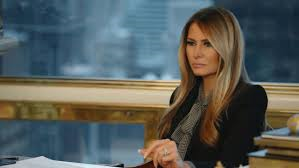
The film took shape during a pivotal period in Melania Trump’s public life. In the weeks before Donald Trump’s presidential inauguration, she announced plans to create a documentary about herself. Titled simply Melania, the project promised viewers an intimate look at her daily routines, responsibilities, and personal reflections—areas of her life that had largely remained private.
Speaking to Fox News at the time, Melania explained:
“I had an idea to make a movie about my life. My life is incredible—it’s incredibly busy. I told my agent to make it happen. We started filming in November, and we’re shooting right now. It shows my day-to-day life, my responsibilities, and things people don’t really get to see.”
The production reportedly drew major financial backing, with Amazon paying around $40 million to license the documentary for distribution. Although it was originally scheduled for release in late 2025, the decision was made to move the premiere forward to January 30, with screenings set across U.S. theaters.
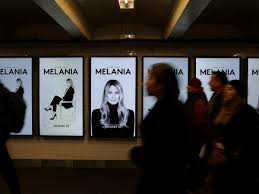
Donald Trump’s Promotion
Ahead of the premiere, former President Donald Trump strongly promoted the film on X, writing:
“MELANIA, the Movie, is a MUST WATCH. Get your tickets today – Selling out, FAST!”
The marketing emphasized the promise of exclusive access to Melania’s life and her perspective on being First Lady, suggesting the film would draw broad interest beyond political supporters.
Disappointing Early Sales
Despite the hype, early reports indicate the documentary has struggled to sell tickets. Images shared online from theaters in multiple cities show screenings with little to no tickets sold, sharply contrasting with claims that the film was “selling out fast.”
Journalist Rob Shuter, writing on his Substack, reported that Republican clubs and conservative groups have been buying tickets in bulk to prevent theaters from appearing empty. According to sources, these purchases are more about maintaining appearances than reflecting real audience demand.
“This isn’t organic interest,” one insider told Shuter. “It’s about optics. Empty theaters look bad.”
In some cases, entire screenings have been bought out or large numbers of tickets distributed for free or at reduced prices. Even so, several showings reportedly remain sparsely attended.
Online Reactions and Theater Practices
The situation sparked widespread discussion online. Reddit users debated what happens when no one buys tickets for a movie. Some shared that theaters will start the film anyway and shut it down after 15–20 minutes if no one arrives, sometimes even turning off the projector lamp to save wear on equipment.
These anecdotes highlight the practical issues theaters face when screenings draw little or no audience.
Melania Trump’s Response
Despite the reports, Melania Trump appears unfazed. On January 25, she hosted a private screening at the White House with friends, family, and cultural figures. Afterward, she posted on X:
“MELANIA, the film. A Historic Moment… I am deeply humbled to have been surrounded by an inspiring room of friends, family, and cultural iconoclasts at the White House last night.”
She added that the evening was a celebration of shared stories and creative expression, calling it an honor to present the film ahead of its worldwide launch.
Mixed Reactions Online
The contrast between promotional claims and visible empty theaters has fueled online mockery. Users have posted screenshots of unsold seats, joking about how a big-budget campaign failed to fill theaters. Some critics say it highlights the difficulty of turning celebrity or political hype into actual box-office success.
Still, the film has its supporters—people curious to hear Melania’s side of the story, including her background, her time as First Lady, and her personal reflections.
How the Film Was Made
The documentary follows a day-to-day format, showing Melania’s routines, official duties, and behind-the-scenes moments. Filming began in November and captured a mix of public appearances, private interactions, and family life, aiming to present a fuller picture of her role beyond the public image.
Amazon’s Role
Amazon’s $40 million licensing deal signaled strong confidence in the project. Streaming platforms have increasingly invested in celebrity documentaries, though early ticket sales suggest that interest in this case may be more limited than expected.
Efforts to Boost Attendance
To counter weak sales, several strategies have been used:
-
Bulk ticket purchases by Republican groups
-
Free or discounted ticket distribution
-
Heavy promotion on social media
While these steps can improve appearances, they don’t necessarily reflect genuine audience demand.
What Comes Next
The January 30 release will ultimately determine the documentary’s true impact, both commercially and culturally. Reviews, word of mouth, and streaming performance will likely shape its longer-term reception.
For Melania Trump, the film represents a deeply personal project—a way to present her story in her own voice after years of public scrutiny.
Final Thoughts
Melania blends celebrity, politics, and personal narrative, making it one of the most talked-about documentaries of the year. Yet early sales reveal a complicated reception, mixing curiosity, skepticism, and political loyalty.
As it reaches theaters, the film will face its biggest challenge: turning attention into real viewers. Regardless of its box-office outcome, it stands as a record of Melania Trump’s attempt to define her public legacy in her own terms.