Trump Sends Tom Homan to Minnesota as Federal Response Intensifies Amid Protests and Public Tension
President Donald Trump has moved to assert direct federal oversight in Minnesota by deploying longtime immigration hardliner Tom Homan to the state, amid weeks of unrest, protests, and growing scrutiny over federal enforcement actions. The decision signals a sharp escalation in the administration’s response to mounting tensions surrounding immigration operations and public safety.
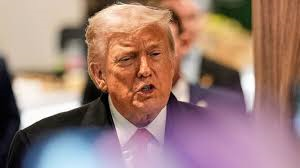
Homan, a former acting director of Immigration and Customs Enforcement and a central figure in Trump’s immigration strategy, has been tasked with overseeing federal enforcement efforts on the ground. According to the administration, he will coordinate closely with federal agencies and report directly to the president, underscoring the White House’s desire for tighter control as the situation unfolds.
The deployment follows a turbulent period in Minnesota marked by protests against federal immigration actions and confrontations between demonstrators and law enforcement. Public anger has intensified after several recent incidents involving federal agents, which critics say have raised serious questions about accountability, transparency, and the appropriate scope of federal authority in local communities.
Administration officials argue the move is necessary to restore order and ensure that immigration laws are enforced consistently. They describe Homan as an experienced operator capable of stabilizing operations and delivering what the president has called a “law-and-order” approach. Supporters of the decision say the federal government has a responsibility to act when local unrest threatens broader security.
Opponents, however, see the deployment as provocative. State and local leaders have expressed concern that an expanded federal presence could inflame tensions rather than calm them. Civil rights groups have warned that aggressive enforcement tactics risk undermining trust between communities and law enforcement, particularly in areas already on edge.
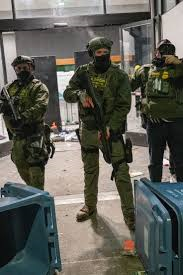
Legal pressure is also mounting. Lawsuits and court filings related to recent enforcement actions are moving through the judicial system, with judges weighing whether to limit or review aspects of the federal response. At the same time, lawmakers from both parties are demanding clearer explanations from federal agencies about operational decisions and the chain of command.
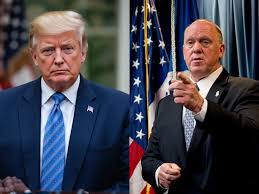
The image of Trump and Homan presented against a backdrop of unrest reflects the broader political stakes. For Trump, the moment aligns with his long-standing message of strong borders and decisive federal action. For critics, it represents a test of constitutional balance between federal power, states’ rights, and civil liberties.
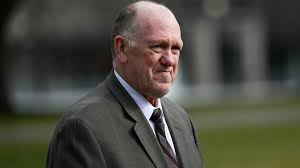
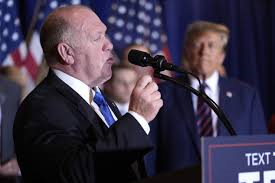
As Homan begins his work in Minnesota, the situation remains fluid. Protests continue, investigations are ongoing, and political pressure is rising on all sides. What happens next may shape not only the immediate outcome in Minnesota, but also the national debate over immigration enforcement, federal authority, and how far the government should go in the name of public order.