“Before Electricity Did the Work: A Household Tool Only Time Remembers”
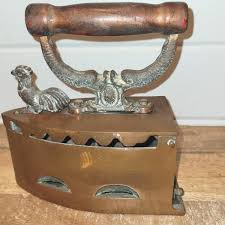
On a quiet wooden table sits a heavy, dark block of metal, scarred by time and use. Its handle is smooth from countless hands that once gripped it, and a small decorative figure rests on top, frozen in a pose that feels oddly proud. To many eyes today, it looks like a strange antique, something decorative or symbolic. But to those who recognize it, the object carries the weight of daily life from a very different era.
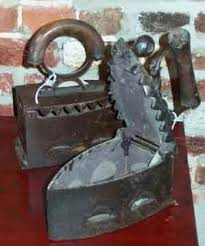
Long before convenience was measured in minutes and appliances hummed quietly in the background, this object was a necessity. It lived in kitchens that smelled of coal smoke and fresh bread, in homes where heat came from stoves and effort came from muscle. It was an iron—solid, unforgiving, and honest. Not electric, not adjustable, not forgiving if you made a mistake. You heated it directly on the stove, tested its warmth with care, and hoped you judged it right before pressing it onto fabric.
For generations, this iron was part of a daily ritual. Shirts, dresses, linens—nothing left the house wrinkled if pride had anything to say about it. Using it required patience and strength. Too cool, and it did nothing. Too hot, and it scorched everything it touched. There were no safety switches, no warning lights—only experience and instinct.
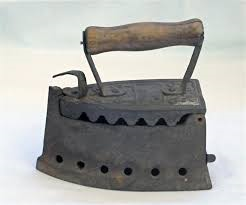
Grandparents remember watching their mothers wrap cloth around the handle to avoid burns, lifting the iron with both hands, setting it down carefully between uses. Some households owned two irons, swapping them on and off the stove to keep one hot while the other cooled. It was labor-intensive, time-consuming, and yet completely normal. No one called it hard work—it was just work.
The small figure perched on top wasn’t just decoration. It was a reminder that even tools could carry beauty, that craftsmanship mattered, even for something meant to be used daily. This iron wasn’t disposable. It was built to last decades, sometimes generations, passed down along with stories, habits, and expectations.
Today, the object sits quietly, often mistaken for a paperweight or a curious relic. Younger generations scroll past it, puzzled, while older ones smile with recognition—and maybe a little disbelief. Not disbelief that it existed, but that life once moved at a pace where this was normal, where effort was built into every task, and where convenience wasn’t guaranteed.
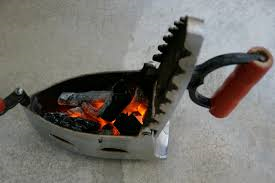
The photo doesn’t just show an old tool. It captures a moment in time when patience was required, when household chores demanded real strength, and when progress hadn’t yet softened the edges of everyday life. It’s a reminder that comfort, speed, and ease came later—and that the past, heavy as it was, shaped everything that followed.
If you know exactly what this is, you don’t just recognize an object. You recognize a way of living that has quietly slipped into history.