When Neil Diamond and Carol Burnett Turned a TV Special Into Pure Magic
Neil Diamond believed he was simply stepping back into familiar territory—revisiting his greatest hits for a television audience. But the moment Carol Burnett joined him onstage, the night transformed into something entirely unexpected. What began as a refined 1986 TV special quickly evolved into a moment of pure delight. The music was timeless, Diamond’s vocals as powerful as ever, but it was the unscripted spark between him and Burnett that truly brought the performance to life. A lyric became a smile, a musical phrase turned into a shared laugh. At one point, Burnett jokingly quipped, “Neil, this isn’t how we practiced it,” prompting a playful grin from Diamond. The medley drifted effortlessly between elegance and humor, drawing the audience into something that felt spontaneous and alive. By the end, it was more than a performance—it was two icons sharing genuine joy. Nearly four decades later, fans still remember it as magic rather than mere nostalgia.
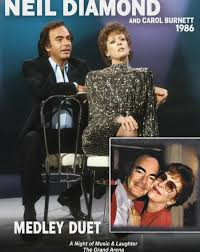
For almost forty years, this single television moment has lingered in the memories of music and TV lovers because it captured something rare: an authentic connection between two legendary performers from different worlds.
Neil Diamond and Carol Burnett didn’t share the stage out of obligation or promotion, but out of genuine enjoyment. Their collaboration during the 1986 CBS special Neil Diamond… Hello Again remains special not because of spectacle, but because of its warmth, sincerity, and natural chemistry. The mid-1980s marked a shift in American television and pop culture. Variety specials—once a staple of network programming—were slowly fading as cable television expanded and audiences fractured across new formats.
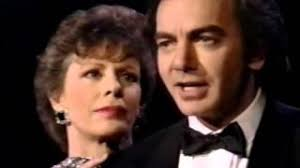
Yet at that time, these specials still carried weight. They were shared events—moments families gathered around the television to experience together. Hello Again was exactly that kind of broadcast. It wasn’t simply a concert or a promotional appearance; it was a celebration of Diamond’s career and an invitation for audiences of all ages to reconnect with his music.
For Diamond, the special marked his return to television variety programming after nine years away. Already a multi-platinum artist known for his emotive voice and deeply personal songwriting, this moment allowed him to reconnect with longtime fans while welcoming new ones. Even the title Hello Again felt symbolic—signaling not just a song, but a warm reintroduction to a medium that once played a major role in his career.
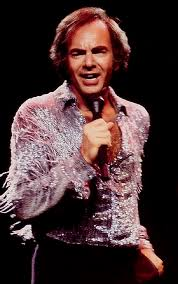
The special aired on CBS in May 1986 and featured a high-profile lineup, including Stevie Wonder. But it was Carol Burnett’s appearance that left the most lasting impression. The program blended music, scripted comedy, and collaborative moments designed to showcase Diamond not just as a musician, but as a performer comfortable sharing the spotlight.
By that point, Carol Burnett was already an icon. Her groundbreaking variety show, The Carol Burnett Show, had aired from 1967 to 1978 and became one of television’s most cherished programs. Known for its balance of comedy, music, and heartfelt storytelling, the show launched numerous careers and showcased Burnett’s remarkable range—from physical comedy to emotionally resonant musical performances.
Though her show had ended years earlier, Burnett’s influence was unmistakable. Her role in Hello Again was not treated as a novelty or brief cameo. Instead, the special embraced her strengths—her warmth, theatrical instincts, and natural ability to connect with both performers and viewers. The result felt less like a guest appearance and more like a true artistic partnership.
The highlight of the evening—and the moment that continues to resonate decades later—was the duet between Diamond and Burnett. It wasn’t flashy or overly produced. Rather, it was a relaxed medley of Diamond’s most beloved songs, delivered with sincerity and mutual respect. Diamond’s rich, expressive voice anchored the performance, while Burnett added a playful sensitivity that revealed new dimensions of the music.
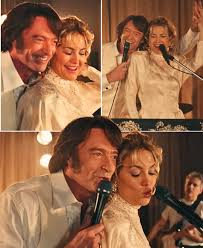
Though not primarily known as a singer, Burnett’s contributions were thoughtful and engaging. Her gentle humor and expressive delivery never distracted from the emotional core of the songs. Instead, they enhanced them, demonstrating how collaboration can deepen interpretation without overshadowing intent.
The performance stood out because it felt genuine. There were no forced jokes or rigid choreography—just two seasoned artists enjoying the moment. In a television landscape often dominated by over-rehearsed perfection, that sense of spontaneity made the duet unforgettable.
The special itself was a major production for its time, combining live studio segments, taped features, musical numbers, and guest appearances. It earned several Primetime Emmy nominations in 1986, including recognition for directing, costume design, and sound mixing. The show ultimately won the Emmy for Outstanding Lighting Direction for a variety or special, highlighting its visual and technical craftsmanship.
While some elements may feel dated by today’s standards, those very qualities contribute to the charm. They reflect an era when network television invested deeply in variety programming—not just as entertainment, but as an art form.
What makes Hello Again endure isn’t simply nostalgia. It’s a snapshot of a time when television created shared cultural moments—when artists could explore music, humor, and personality in extended formats. The Diamond–Burnett collaboration exemplified that spirit. It wasn’t just two celebrities sharing a stage; it was a joyful exchange rooted in mutual respect and creative freedom.
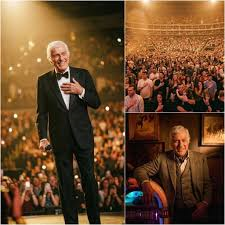
Today, when media consumption is fragmented and fleeting, this performance serves as a reminder of television’s power to unite audiences around moments that feel both intimate and collective. It matters because of the people involved, the authenticity of their interaction, and the emotional resonance of the music.
Looking back, Hello Again stands as more than a polished television special. It represents a time when boundaries between music, comedy, and television were fluid—allowing artists to experiment and audiences to feel connected. Diamond and Burnett’s duet wasn’t perfect because it was flawless; it was perfect because it was alive.
And that is why, nearly forty years later, it continues to be remembered—not as a relic of the 1980s, but as a testament to what happens when talent, warmth, and genuine joy meet on a shared stage.