The Small Tool That Opened an Entire World
Hidden in the overlooked spaces of our lives—old drawers, childhood keepsake boxes, or the corners of forgotten basements—are objects so ordinary they seem insignificant. Small, worn, and easily mistaken for scrap metal, they rarely catch the eye. Yet for those who once depended on them, these objects carry extraordinary weight. Few artifacts capture this better than the roller skate key: a modest piece of metal that quietly unlocked freedom, confidence, and adventure for generations of children.
Engineering Freedom, One Turn at a Time
Long before modern skates relied on lightweight plastics, Velcro straps, and quick-release buckles, roller skating was a hands-on affair. Skates were built from solid steel and stiff leather, often clamping directly onto everyday shoes. Adjusting them wasn’t optional—it was essential.
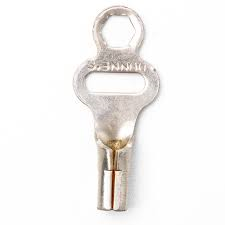
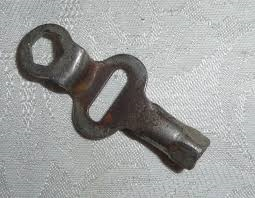
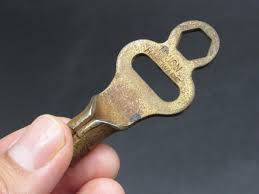
Children’s feet grew quickly, balance was fragile, and uneven pavement was unforgiving. Without a proper fit, skating could be painful or dangerous. The roller skate key—typically a simple stamped steel tool smoothed by years of use—was designed to tighten clamps and bolts with precision. Without it, skates couldn’t be worn. With it, the world opened.
A Symbol of Independence
For many kids, the skate key became something far greater than a tool. Worn on a string or chain around the neck, it jingled softly with every movement—a constant reminder of possibility. That faint metallic sound meant autonomy. It meant movement without asking permission, exploration without limits.
Armed with a key, children transformed their surroundings. Sidewalks became racetracks. Driveways turned into practice arenas. Quiet streets became pathways to independence. No batteries were required. No adults needed to chauffeur. All that was necessary was courage, balance, and a willingness to fall and try again.
The Ritual Before the Ride
Adjusting skates was a ceremony in itself. Kneeling on kitchen floors or front porches, kids carefully inserted the key, tightening clamps with deliberate focus. This process taught early lessons in responsibility and precision:
-
Finding the right tension without causing discomfort
-
Ensuring wheels spun freely
-
Learning to read resistance in metal and respond accordingly
There was no instant gratification. Preparation was part of the journey. Before any adventure began, effort was required—and that effort made the reward sweeter.
Learning Through Motion and Mishaps
Once secured, the skates carried children into a world of trial and triumph. Cracked sidewalks tested balance. Pebbles punished inattention. Rinks offered exhilaration and chaos in equal measure.
Every experience reinforced life lessons:
-
Patience, through careful preparation
-
Perseverance, through repeated falls
-
Resilience, through getting back up
Losing the skate key meant the adventure stopped instantly. Without it, the skates were useless. Keeping track of the key became an early lesson in accountability—carelessness had immediate consequences.
A Quiet Milestone
The first time a child adjusted their own skates without help marked a subtle but powerful milestone. That small act—tightening a clamp independently—represented growth. It was proof of capability.
Keys were shared, borrowed, and sometimes fought over. Older siblings passed them down. Friends relied on one another. In these exchanges, children learned trust, cooperation, and mentorship. The key wasn’t just personal—it became social currency.
A Neighborhood Comes Alive
Entire neighborhoods shifted when skates came out. The clatter of metal wheels echoed through streets. Children gathered, compared techniques, helped each other tighten bolts. Informal communities formed around shared motion and mutual support.
The key facilitated these connections. It wasn’t just a tool—it was a bridge between people, enabling collaboration and collective discovery.
Effort Over Convenience
Unlike modern equipment designed for speed and ease, old skates demanded engagement. Children became mechanics, problem-solvers, and caretakers of their own gear. They learned that attention to detail affected performance and safety.
This fostered a direct relationship between effort and outcome. The smoother the ride, the more care had been taken beforehand.
A Badge of Capability
Over time, the skate key became a personal emblem. Parents recognized its importance, understanding that allowing access to it meant granting trust. Holding the key meant readiness, confidence, and independence.
A Time Capsule in the Palm of a Hand
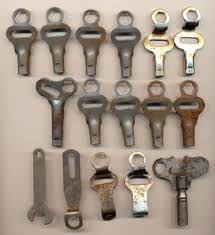
Today, discovering a roller skate key feels like uncovering a relic from a slower, more tactile era. Its cool weight brings back sensory memories—the smell of asphalt, the ache of tired legs, the pride of improvement.
Collectors cherish these keys not for their monetary value, but for what they represent: a childhood shaped by movement, effort, and real-world learning.
Losing the key taught responsibility. Using it taught cause and effect. Every adjustment was a small experiment in physics and self-reliance.
More Than Metal
Ultimately, the roller skate key is not just an object—it’s a philosophy. It represents a time when freedom was earned through effort, when play required patience, and when mastery came through repetition.
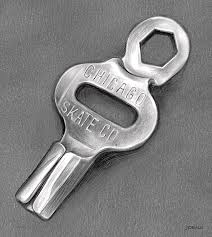
Its small size belies its significance. That simple piece of steel opened vast worlds of imagination, connection, and growth. To hold one today is to hear echoes of wheels on pavement and laughter carried through the air.
A tiny tool, yes—but one that unlocked a thousand first victories.