Country Music Loses a Master Storyteller at 78
Respected country songwriter Jim McBride has died at the age of 78, leaving behind a creative legacy that helped shape the sound and soul of modern country music. The news was confirmed on Thursday, January 8, by the Alabama Music Hall of Fame, which had long honored McBride for his remarkable contributions to the genre.

His passing marks the loss of far more than a successful songwriter. McBride was a mentor, advocate, and creative force whose influence reached deep into the foundations of country music. Artists, collaborators, and fans across generations are mourning a man whose words became inseparable from the stories country music tells best.
Jim McBride was born in Huntsville, Alabama, in 1947, and his connection to music began early. Growing up in the 1950s, he was raised in a household where country music was part of everyday life. Saturday nights often meant listening to the Grand Ole Opry as a family, absorbing the sounds and stories of the genre’s greatest voices.
Those early experiences shaped McBride’s deep respect for storytelling, melody, and emotional honesty. He later reflected that these moments helped him understand how music could capture real life—its joys, heartbreaks, and quiet moments—in a way that resonated universally.
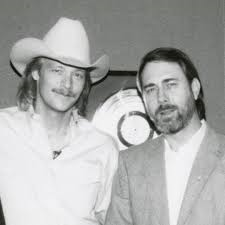
McBride entered the professional songwriting world in the 1970s, just as Nashville was becoming firmly established as the heart of country music. He quickly earned a reputation for writing songs that were both emotionally rich and musically accessible. His ability to pair vivid storytelling with unforgettable melodies set him apart.
Throughout the 1980s and 1990s, McBride emerged as a powerful behind-the-scenes presence, collaborating with many of the most influential artists of the era. Among his most celebrated partnerships was his work with Alan Jackson. Together, they co-wrote songs that would become defining anthems of 1990s country music, including “Chattahoochee” and “Chasing That Neon Rainbow.”
The inspiration for “Chattahoochee” came from the river near Jackson’s hometown in Georgia. McBride developed the opening lyrics and melody, capturing the feeling of youthful freedom, summer memories, and small-town life. Jackson later expanded the story, and the finished song struck a chord with listeners nationwide. It reached No. 1 on the Billboard Hot Country Songs chart and earned major honors, including CMA awards for both Single of the Year and Song of the Year.
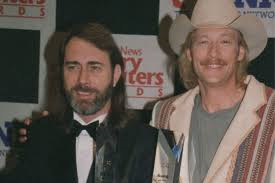
McBride’s gift for storytelling ensured that his songs felt personal yet universal. His lyrics reflected the lived experiences of everyday people, grounding country music in authenticity and emotional truth.
Beyond his work with Alan Jackson, McBride’s catalog is vast and extraordinary. His songs were recorded by an impressive range of country legends, including Johnny Cash, Kris Kristofferson, Willie Nelson, George Jones, Reba McEntire, Jerry Lee Lewis, Charley Pride, Travis Tritt, Toby Keith, Dwight Yoakam, The Oak Ridge Boys, Keith Whitley, Crystal Gayle, Gene Watson, Trace Adkins, Alabama, and many others.
Each collaboration highlighted McBride’s versatility. He had a rare ability to tailor his writing to fit the voice, style, and emotional range of each artist while maintaining his own signature sense of narrative and melody. This adaptability made him one of Nashville’s most respected and sought-after songwriters.

Industry recognition followed throughout his career. McBride earned five Grammy nominations for Song of the Year and received numerous honors from organizations such as ASCAP, BMI, CMA, ACM, and Billboard. In 2017, he was inducted into the Alabama Music Hall of Fame, formally acknowledging his lasting influence on the state’s musical heritage.
He was later inducted into the Nashville Songwriters Hall of Fame, solidifying his place among the most elite figures in the songwriting community.
Beyond his creative work, McBride played a vital role as a leader and advocate. As president of the Nashville Songwriters Association International, he worked tirelessly to protect songwriters’ rights, promote fair compensation, and ensure that creators received proper recognition for their work. His leadership helped strengthen the professional foundation of songwriting as a career.
Those who worked with McBride frequently described him as generous, thoughtful, and deeply supportive of emerging talent. Alan Jackson, in particular, has spoken openly about how instrumental McBride was in his early career. Jackson credited him not only with co-writing some of his most meaningful songs, but also with offering guidance, encouragement, and creative insight at crucial moments.
McBride’s mentorship extended far beyond one artist. Many songwriters benefited from his willingness to share knowledge, provide honest feedback, and champion excellence. His approach blended technical mastery with an intuitive understanding of what moves listeners emotionally.
The broader impact of McBride’s work reaches well beyond chart success. His songs helped define the emotional language of modern country music, balancing tradition with contemporary storytelling. Tracks like “Chasing That Neon Rainbow” captured ambition, longing, and the pursuit of dreams, while “Chattahoochee” celebrated youth, freedom, and small-town identity.

His craftsmanship stood out in every aspect—strong hooks, memorable choruses, and lyrics that conveyed complete emotional arcs with remarkable efficiency. Fellow songwriters often pointed to his economy of words, noting how he could tell a full story with clarity and depth in just a few lines.
McBride’s influence crossed generations. His songs were embraced by foundational figures in country music while remaining relevant to newer artists and audiences. This rare cross-generational appeal reflected his deep understanding of the genre’s roots and its evolving voice.
Culturally, McBride’s work helped preserve the narrative identity of the American South. His songs captured regional details, rhythms, and sensibilities that felt authentic and lived-in. “Chattahoochee,” in particular, became a cultural landmark for fans of 1990s country, evoking memories of rivers, summer nights, and adolescent freedom.
Through both songwriting and advocacy, McBride helped ensure that country music remained a powerful vehicle for storytelling. His leadership reinforced the importance of protecting creative voices, and his mentorship shaped countless careers behind the scenes.

Following his death, tributes poured in from across the country music community. Artists and industry figures alike highlighted not only his extraordinary body of work, but also his humility, kindness, and dedication to the craft. Alan Jackson expressed deep gratitude for McBride’s role in shaping his career, noting that their collaborations remain among the most meaningful songs of his life.
In the end, Jim McBride’s legacy is not measured solely by awards, charts, or accolades. It lives on in the songs that continue to be sung, the artists he helped shape, and the listeners who find their own stories reflected in his lyrics.
His passing marks the end of an era, but his music remains timeless. Jim McBride will always be remembered as a master storyteller whose words and melodies continue to define the heart of country music—and will do so for generations to come.