The Real Purpose of the Drawer Under Your Oven
The kitchen is often called the heart of the home—a space where meals come together, conversations happen, and everyday life quietly takes shape. While much attention is paid to major features like appliances, countertops, and cabinets, one small detail is frequently misunderstood: the drawer beneath the oven.
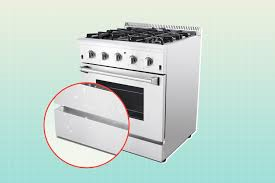
In many households, this lower drawer is used without much thought. Most people treat it as a convenient place to store baking trays, pans, cooling racks, or oversized cookware that doesn’t fit easily in cabinets. Because it’s located directly under the oven, using it for storage feels natural. Over time, this practice has become so widespread that many homeowners assume storage was always its intended purpose.
In reality, that assumption isn’t entirely correct.
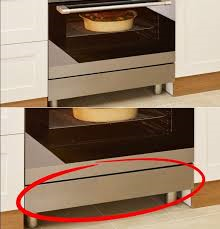
In earlier generations of gas and electric ovens, the drawer beneath the oven was often designed as a warming drawer rather than a storage compartment. Manufacturers introduced this feature to address a common cooking challenge: keeping prepared dishes warm without continuing to cook them while other food was still being prepared or while waiting to serve guests.
A warming drawer is designed to hold food at a low, steady temperature—generally between 140°F and 200°F. This range is ideal for maintaining food safety while preserving taste, texture, and moisture. Unlike a standard oven, which operates at much higher temperatures, a warming drawer provides gentle heat that prevents food from drying out, burning, or becoming overcooked.
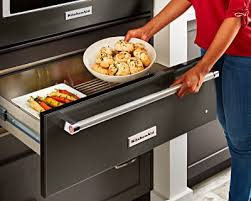
For families preparing large meals, hosting holidays, or serving multiple dishes at once, this feature added convenience and reduced pressure in the kitchen. It allowed dishes to remain warm and ready without constant reheating or timing stress.
As appliance designs evolved and consumer habits changed, the distinction between warming drawers and storage drawers became less clear. Today, some ovens are built with drawers meant strictly for storage, while others still include fully functional warming drawers. From the outside, these drawers often look almost identical, which adds to the confusion. Without visible controls or labels, many people naturally assume they all serve the same function.
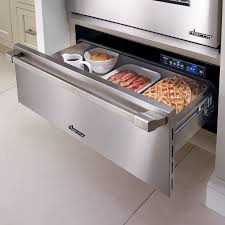
The true difference lies inside. A warming drawer contains heating elements, insulation, and sometimes adjustable temperature controls that may be integrated into the oven’s control panel. A storage drawer, on the other hand, has no heating components and is intended solely for holding cookware.
To determine which type your oven has, the most reliable solution is to consult the manufacturer’s manual or product specifications. In some cases, warming drawers may also be labeled with settings such as “Warm” or “Proof,” offering a clear indication of their purpose.
Understanding this often-overlooked feature can help homeowners use their kitchen appliances more effectively—and avoid unknowingly misusing a tool designed to make cooking easier.