What That Small Round Scar on Your Arm Really Means
The small, circular scar that often appears on the upper arm is commonly mistaken for a childhood injury, insect bite, or skin condition. In reality, it is most often the result of the Bacillus Calmette-Guérin (BCG) vaccine, which is administered to protect against tuberculosis (TB). Unlike many modern injections, the BCG vaccine uses a weakened form of Mycobacterium bovis that intentionally provokes a localized immune reaction. This response frequently causes a blister or small ulcer at the injection site, which gradually heals into a permanent, slightly indented scar. Rather than signaling harm, this mark reflects the immune system successfully responding to the vaccine.
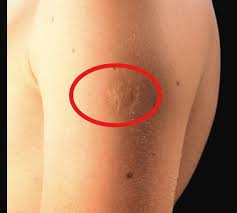
A widespread myth associates this scar with poverty or inadequate healthcare, but its true origin lies in international public health strategies. Throughout the 20th and 21st centuries, countries with elevated TB risk—regardless of economic status—adopted universal BCG vaccination programs for infants. At a time when tuberculosis posed a serious global threat, mass immunization was a practical and effective solution. As a result, people from a wide range of social and economic backgrounds across Asia, Africa, and parts of Europe carry this scar. It is a marker of regional health policy and historical disease prevention, not personal circumstance or living conditions.
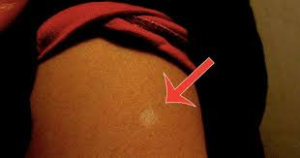

Another common misunderstanding is that individuals without a visible scar were never vaccinated or that the vaccine failed. In truth, skin healing varies greatly between individuals. Some people develop a noticeable scar, while others heal with little to no visible trace—even though their immune system has responded appropriately. Likewise, the size or prominence of the scar does not indicate the level of protection against tuberculosis. Medical evaluations, such as the Mantoux tuberculin skin test, provide a far more reliable measure of immune response than the presence or absence of a skin mark.
Importantly, the BCG scar is completely harmless and has no negative impact on long-term health or immune function. It does not signal immune damage, nor does it pose any medical risk. In fact, some studies suggest that the BCG vaccine may contribute to a phenomenon known as “trained immunity,” potentially improving the body’s defense against other infections. The scar does not change over time or spread, and while it may raise cosmetic concerns for some, it ultimately stands as a quiet reminder of early preventive care. Understanding where it comes from helps dispel stigma and reframes the mark as a small but meaningful symbol of global public health efforts and resilience.