Questions Raised Over Holiday Donations and Campaign Fundraising
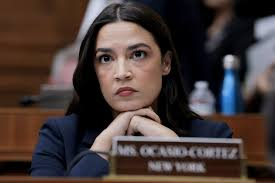
For many donors, the emotional impact of this situation has been particularly painful because it struck at a moment rooted in trust and goodwill. Supporters believed their contributions were meant to help struggling New Yorkers put food on the table during Thanksgiving—a time traditionally associated with generosity and care for others. The expectation was simple: donations would go toward providing holiday meals for families facing food insecurity.
Instead, donors discovered that the links they followed led to a political fundraising page clearly labeled as a campaign contribution. That realization left many feeling misled, as the compassionate message they responded to did not align with where their money ultimately went. The sense of disappointment stemmed not just from the redirection itself, but from the feeling that emotional appeals were used in a way donors did not anticipate.
Why the Reaction Was So Strong
Context plays a major role in explaining the backlash. In previous years, similar outreach messages had directed supporters to established charities that provided direct assistance to those in need. Those past experiences created a pattern of trust. Donors had every reason to believe that this year’s appeal would follow the same path.
Because the language and presentation closely mirrored earlier charitable efforts, many contributors assumed they were once again supporting nonprofit food programs. Discovering that the structure had changed—without a clear distinction—felt jarring. What once felt like a familiar call to help now appeared, to some, as a redirection toward political fundraising, intensifying feelings of confusion and betrayal.

Legal Review Versus Ethical Responsibility
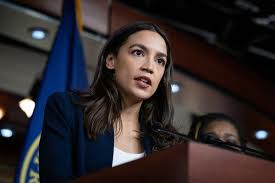
Whether any laws were broken is a matter for election regulators to determine. The Federal Election Commission is responsible for reviewing campaign fundraising practices, including whether required disclosures were properly displayed and whether fundraising guidelines were followed.
But beyond legal technicalities lies a broader ethical concern. Using holiday-themed compassion and charitable framing to encourage political donations risks eroding public confidence. When charitable language overlaps with campaign mechanisms, it becomes difficult for donors to know when they are giving to help people and when they are supporting political activity. That uncertainty threatens the integrity of genuine charitable efforts.
The Wider Impact on Giving and Trust
The implications extend far beyond one individual or campaign. When public figures blur the boundary between charity and politics, it creates hesitation among donors who simply want to help their communities. People should not have to dissect every appeal to ensure their generosity isn’t being repurposed for political gain.
Once trust is damaged, the consequences ripple outward. Legitimate nonprofits—especially those relying on seasonal giving—may find it harder to convince donors that their appeals are sincere. In the worst cases, some individuals may withdraw from giving altogether, choosing caution over the risk of being misled again.
Restoring Clarity and Confidence
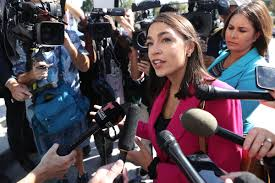
Rebuilding trust requires clear action on two fronts:
Protecting Donors: Individuals can reduce confusion by donating directly through verified nonprofit websites or trusted charitable platforms, ensuring their contributions go exactly where intended.
Ensuring Accountability: Oversight bodies should closely examine situations where emotional appeals tied to compassion and need intersect with campaign fundraising. Clear distinctions and transparency are essential so that goodwill is never mistaken for political leverage.
When clarity is restored, trust has a chance to recover—and genuine charitable organizations can continue their essential work without suspicion clouding their efforts.