Robin Williams’ Weekly Comedy Calls to Steven Spielberg
Robin Williams is remembered by many as a whirlwind of comedic energy—an actor and stand-up performer whose improvisational brilliance felt limitless. Audiences adored his outrageous humor, rapid-fire impressions, and boundless creativity. Others were deeply moved by his dramatic roles, where he revealed a quiet vulnerability and emotional depth that contrasted sharply with his comedic persona.
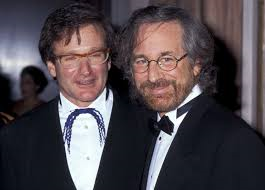
What few people ever witnessed firsthand, however, was the way Williams showed up for those around him as a friend—gentle, thoughtful, and deeply compassionate.
In a resurfaced interview, Williams once shared a story about reaching out to his close friend Steven Spielberg during the filming of Schindler’s List. Aware of the emotional toll Spielberg was carrying while working on such devastating subject matter, Williams felt compelled to help in the only way he knew how—by making him laugh.
Williams explained that he would call Spielberg regularly and simply improvise, letting his imagination run free. During the interview, he reenacted some of the characters and bits he used during those calls, instantly sending the audience into laughter.
Using a playful accent inspired by Yiddish humor, he joked, “Hello, Steven. I’m sending you some kosher email.” He then continued with more absurd riffs, such as pretending he had turned eBay into “oy vey,” each line delivered with the effortless spontaneity that defined his comedy.
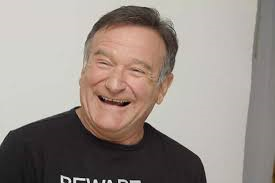
After the laughter subsided, Williams shifted to a more serious tone. He explained that these calls weren’t just jokes—they were a lifeline. Spielberg was immersed in a project that demanded he confront unimaginable horrors day after day, and Williams wanted to give him moments of release.
“It was such a terrible, terrible thing,” Williams reflected. “But he kept going. He had to.” Those brief bursts of laughter, he said, helped his friend keep moving forward.
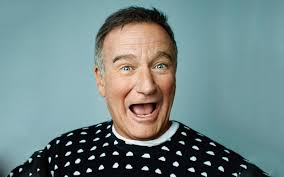
Even years after his passing, stories like this continue to remind people of the depth of Williams’ humanity. When the interview clip resurfaced online, viewers were quick to share their reflections, describing him as a man who brought light, sensitivity, and love into the world. Many noted that he seemed to understand instinctively that sometimes laughter isn’t just entertainment—it’s survival.
Spielberg later confirmed just how meaningful those calls had been. He shared that Williams would phone him weekly, delivering about fifteen minutes of improvised comedy. Spielberg said he would laugh uncontrollably, releasing the emotional weight he was carrying. Williams, he recalled, had a habit of hanging up abruptly—never saying goodbye—always ending the call at the peak of laughter.
Other actors who worked with Williams have shared similar memories.
Kristen Dunst, who acted alongside him as a child, recalled how deeply his kindness affected her. She described him as graceful and respectful to everyone on set, noting how valuable it was to witness that behavior at such a young age. His example, she said, taught her how to treat people with dignity.
Matthew Lawrence, who starred with Williams in Mrs. Doubtfire, echoed that sentiment. While he described Williams as the most brilliant artist he had ever worked with, what stayed with him most was Williams’ compassion and humility. Talent alone didn’t define him—it was how he treated others.
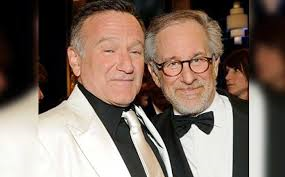
Robin Williams was more than a legendary performer. He was a person who cared deeply, who understood pain, and who used laughter as a way to help himself and others endure it. Despite his own struggles, he chose again and again to give joy, comfort, and kindness to the people around him.
That legacy—of generosity, empathy, and love—continues to resonate long after the laughter fades.