How Viva Las Vegas Became Elvis Presley’s Most Enduring Classic
Viva Las Vegas remains one of the most iconic entries in Elvis Presley’s filmography, largely because of the electric chemistry he shared with co-star Ann-Margret. Released in 1964, the movie cast Elvis as Lucky Jackson, a determined race car driver chasing success in the Nevada desert, while Ann-Margret portrayed Rusty, a spirited dancer whose charisma often stole the scene. Their unforgettable duet, “The Lady Loves Me,” captured a flirtatious energy that many believed reflected their powerful real-life attraction. Although critics offered mixed reactions at the time of release, the film’s vibrant musical performances and classic Las Vegas atmosphere eventually cemented its status as an enduring American favorite.
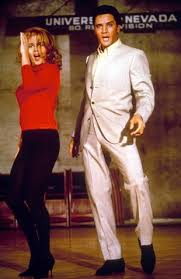
From a commercial standpoint, the film was a standout success. Viva Las Vegas ultimately became Elvis’s highest-earning movie, surpassing the hugely popular Blue Hawaii by an exact margin of $450. With a runtime of just 85 minutes, it also holds the distinction of being the shortest film Presley ever made, delivering a quick-moving storyline driven primarily by its music. The production also featured notable behind-the-scenes talent, including a contribution from musician Glen Campbell on the soundtrack. Additionally, one of the background dancers later rose to prominence, earning multiple Academy Award nominations—further adding to the film’s impressive legacy.
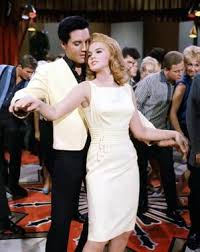
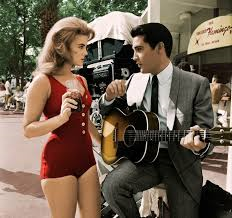
Not everything behind the camera was smooth, however. Tension reportedly surfaced between Elvis and director George Sidney. Presley was said to be dissatisfied with the way scenes were shot and edited, feeling that the visual focus leaned heavily toward Ann-Margret, highlighting her movements and presence more prominently than his own. At only 22 years old, Ann-Margret’s popularity was so strong that some theaters even listed her name above Elvis’s on promotional materials—an almost unheard-of move during the height of his fame. That unspoken rivalry added intensity to the production, pushing both stars to deliver some of their most magnetic performances.
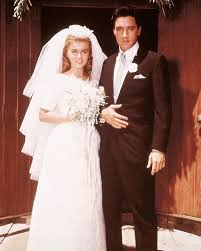
The connection between Elvis and Ann-Margret extended far beyond the film itself. Though their romantic relationship was complicated by Elvis’s commitment to Priscilla, Ann-Margret later revealed that he had expressed a desire to marry her during their time together. While their romance ultimately ended, the bond they formed endured. They remained close friends until Elvis’s death in 1977, and Ann-Margret was the only female co-star to attend his funeral—a powerful symbol of the deep connection forged during a golden era of Las Vegas glamour that has long since faded.