Why Your Cat Rubs Against You (It Means More Than You Think)
You step inside after a long day, barely having time to set your bag down before the familiar routine unfolds. Your cat materializes at your feet, looping gracefully around your legs, pressing their head into your hand, and purring like a small motor warming up. Sometimes it happens while you’re cooking, when they lean against your arm, gently insisting on your attention. To anyone watching, it looks like a simple display of affection. But if you’ve ever paused to wonder why your cat does this, you’re actually touching on something far deeper. That gentle bump or full-body rub isn’t just about food or habit—it’s a layered form of communication rooted in instinct, trust, and social bonding that dates back thousands of years.

“You Belong Here”: The Power of Scent
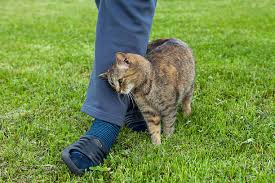
When cats rub their heads or bodies against people, they’re engaging in behaviors known as bunting (using the head) and allorubbing (using the body). Far from being random or casual, this is one of the clearest signs that your cat feels safe with you.
In essence, your cat is saying:
You’re trusted. You’re part of my world. And I want you marked as familiar.
Cats have scent glands located around their cheeks, forehead, chin, and tail base. When they rub against you, they release pheromones—subtle chemical signals that communicate comfort, belonging, and security. By doing this, your cat is placing you firmly inside their emotional and territorial “safe zone.”
Why Cats Rub Against You: The Four Core Reasons
1. A Personal Greeting Ritual
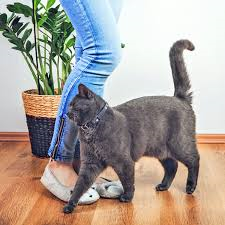
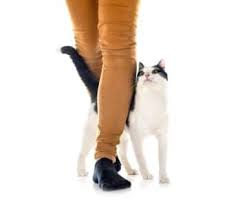
Cats don’t wave hello or offer hugs. Instead, physical contact is how they reconnect after time apart. If your cat greets you with an upright, gently quivering tail and enthusiastic leg weaving, they’re expressing happiness and relief at your return. It’s their version of saying, I missed you.
2. Social Bonding and Group Identity
In cat colonies or multi-cat homes, rubbing helps establish a shared scent among group members. When your cat rubs against you, they’re reinforcing that you belong to their inner circle. You’re not just a caretaker—you’re part of the household unit.
3. Gathering Information
After you’ve been outside, you carry countless unfamiliar smells on your clothes and skin. By rubbing against you, your cat is both investigating where you’ve been and replacing those foreign scents with their own familiar ones. It’s a way of keeping their environment emotionally consistent.
4. A Subtle Request
Sometimes, the message is practical. A cat rubbing against your legs near feeding time or during their usual play hour may be using touch as a polite reminder. It’s not demanding—it’s strategic.
The Bigger Picture
When your cat nudges you with their head or presses their body against yours, it’s a powerful sign of trust and comfort. This behavior comes from survival instincts built around safety and social cohesion. It means your cat feels secure enough to share their scent—and by extension, their world—with you.
So the next time you’re greeted with a head bump or a slow, affectionate rub, know that it’s more than a habit. It’s a quiet declaration of connection, belonging, and trust—spoken in the language cats have always understood.