The Personal Reason Behind Diane Keaton’s Hats and Turtlenecks
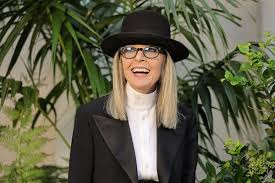
Long before her death at the age of 79, Diane Keaton’s look was as unmistakable as her film career. From her unforgettable turn in Annie Hall to her later roles in Something’s Gotta Give, her fashion choices became inseparable from her public identity. Wide-brimmed hats, tailored suits, oversized belts, and signature turtlenecks were not simply stylistic quirks — they were deeply intentional.
Behind the polished silhouettes and iconic accessories was a story shaped by health, family history, and an unwavering sense of self-preservation. For Keaton, clothing was never about chasing trends. It was about control, comfort, and protection — a personal language through which she expressed both individuality and care for herself.
In her final interviews, she made it clear that her wardrobe was far more than aesthetic. It functioned as armor, a statement of autonomy, and a daily act of self-care.
“A turtleneck, suit, large belt, and of course a hat and glasses,” she once said. “Some things will never change for me.”
A Family History That Shaped Her Style
Keaton’s lifelong preference for covered silhouettes had a practical origin rooted in family experience. Skin cancer had affected several relatives, leaving a lasting impression on her awareness of sun exposure and long-term health.
She often spoke candidly about these influences. One relative had suffered severe facial damage due to skin cancer. Her father and brother were also diagnosed with related conditions. These experiences reinforced the importance of prevention and vigilance.
In her younger years, Keaton admitted she hadn’t taken sun protection seriously. That changed in her forties, when she began consistently shielding her skin — a habit that would become permanent.
A serious personal health scare further solidified her approach. She later revealed that she had been diagnosed with a dangerous form of skin cancer that went undetected for years despite multiple biopsies. By the time it was discovered, it had grown deep enough to pose a serious threat.
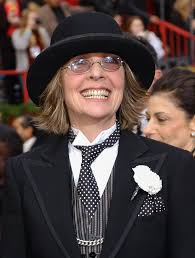
That experience transformed her relationship with clothing. What had once been style-forward became purpose-driven. High collars, long sleeves, and hats were no longer optional — they were essential.
Fashion as Protection and Power
Keaton approached fashion with intention and discipline. Her wardrobe served as both a protective barrier and a creative outlet. The hats she became famous for were not just accessories; they shielded her face from the sun while framing her identity with unmistakable authority.
She paired them with turtlenecks and structured suits, creating a visual consistency that became her personal uniform. Yet within that framework, she remained playful — layering textures, mixing eras, and allowing creativity to guide her choices.
She often described clothing as something that provided comfort beyond the physical. It helped manage anxiety, masked vulnerabilities, and allowed her to move through the world on her own terms.
Revealing clothing, she explained, never felt right for her. This was not about insecurity, but about personal boundaries. Covered silhouettes felt authentic, empowering, and aligned with who she was.
Style as Self-Narrative
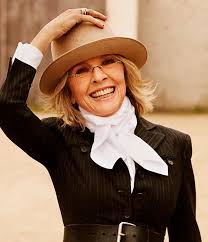
For Diane Keaton, getting dressed was an act of storytelling. Every piece she wore reflected intention, experience, and self-knowledge. Her look was not about hiding — it was about shaping how she chose to be seen.
By the later years of her life, her style had become iconic. Fans recognized her instantly, yet the look remained deeply personal — a reflection of health awareness, discipline, and artistic sensibility.
Her consistency stood as quiet resistance to the pressure placed on women to reveal more, age less, or conform to fleeting standards. She defined elegance on her own terms.
Her Final Public Appearance
In August 2024, Keaton was seen one last time in public, walking through the sunlit streets of Brentwood, California. She wore her familiar uniform: a wide-brimmed hat, black turtleneck, tailored blazer, and glasses.
Carrying shopping bags, she moved with calm confidence — composed, unhurried, and unmistakably herself. That moment, later recognized as her final public appearance, became symbolic of her life philosophy: presence without spectacle, control without noise.
When news of her death followed, fans returned to those images, seeing in them a woman who remained true to herself until the very end.
Public Reaction and Reflection
Following her passing, admirers reflected on both her style and spirit. Many praised her confidence, strength, and individuality, noting how vibrant and self-assured she appeared even in her final days.
Some comments reflected concern over her health, while others focused on her poise and unmistakable presence. Despite occasional criticism, the overwhelming response was one of respect and admiration.
Her influence extended far beyond fashion. She represented autonomy, resilience, and the power of embracing one’s identity fully.
A Legacy Beyond Film
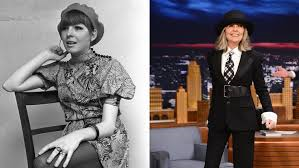
Diane Keaton’s legacy is woven from both her cinematic achievements and her personal choices. Her performances reshaped female roles in Hollywood, but her life off-screen told an equally powerful story.
By blending health-conscious decisions with a bold personal aesthetic, she demonstrated that fashion can be both beautiful and functional. Her clothing choices were not superficial — they were thoughtful responses to lived experience.
Style, for Keaton, was affirmation. It was where health, comfort, creativity, and joy intersected.
Lessons in Health and Awareness
Her story also carries a quiet lesson in prevention and self-care. Faced with hereditary risk and personal illness, Keaton chose awareness over denial. Hats, high collars, and glasses became everyday reminders of protecting what mattered most.
She transformed personal vulnerability into a visible, empowering routine — one that aligned care with creativity.
Remembering an Icon
Diane Keaton’s passing marked the close of a remarkable chapter, but her influence remains enduring. Every turtleneck, every hat, every carefully chosen layer symbolized a woman who lived intentionally.
She turned caution into confidence, protection into style, and individuality into legacy.
Her life reminds us that true style is not about trends or exposure — it is about authenticity, agency, and honoring one’s own story.
In the end, Diane Keaton’s legacy lives not only in her films, but in the quiet, deliberate ways she navigated the world — with grace, creativity, and courage that will continue to inspire for generations.