The Lasting Legacy of Elizabeth Montgomery
For generations of viewers, Elizabeth Montgomery will forever be associated with the gentle magic and warmth of Samantha Stephens from Bewitched. Even decades after the show first aired, her presence still feels remarkably alive. With her natural elegance, expressive eyes, and effortless charm, Montgomery captivated audiences at a time when television relied on talent rather than spectacle. Her death in 1995 came as a profound shock to fans, yet her legacy continues to shine through the unforgettable characters she portrayed.
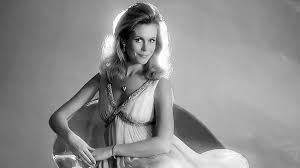
Elizabeth Montgomery was born in 1933 into a family deeply rooted in the entertainment world. Her father, Robert Montgomery, was a highly respected film and television actor, and from an early age, she was drawn to the stage. Acting was not simply an inherited path—it was a calling she pursued with dedication and discipline. She studied drama seriously, appeared in television productions early in her career, and made her Broadway debut in 1953, earning critical respect for her poise and emotional range.
Her transition into film and television came naturally, and throughout the 1950s and early 1960s, she built a steady career marked by versatility rather than instant stardom. She appeared in numerous dramatic roles, including memorable performances on The Twilight Zone and Alfred Hitchcock Presents, proving she could handle suspense, psychological depth, and complex emotion with ease.
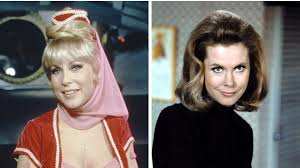
Everything changed in 1964 when she was cast as Samantha Stephens in Bewitched. The series quickly became a cultural phenomenon, running until 1972 and cementing Montgomery as one of television’s most beloved stars. While the show was lighthearted and whimsical, her performance gave it heart. Samantha was more than a magical housewife—she was compassionate, strong-willed, and quietly independent, qualities Montgomery brought to life with subtlety and grace.
Despite the enormous success of Bewitched, Montgomery refused to be defined by a single role. In the years that followed, she made a bold and deliberate shift toward darker, more challenging material. She earned widespread acclaim for her performances in made-for-television films such as The Legend of Lizzie Borden and A Case of Rape, roles that showcased her dramatic power and fearlessness. These performances surprised audiences and critics alike, proving her depth as an actress and redefining her public
image.
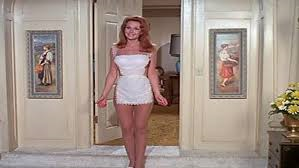
Her personal life, like her career, experienced change and growth. After several relationships, she eventually found lasting companionship and stability with actor Robert Foxworth. Together, they shared a quiet life grounded in mutual respect, away from the constant glare of Hollywood.
In her later years, Montgomery faced serious health challenges, which she handled with the same dignity and privacy that had defined her life. She passed away peacefully in 1995 at her home in Beverly Hills. Though her death came too soon, it marked the end of a life lived with purpose, creativity, and integrity.
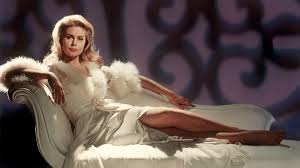
Today, Elizabeth Montgomery is remembered not only for the magic she brought to television screens, but for her courage as an artist and her willingness to evolve. Her work continues to resonate with audiences old and new, reminding us that true talent transcends time. Long after the final spell was cast, the warmth, intelligence, and quiet strength she embodied remain her most enduring legacy.