I Found Coins on My Husband’s Grave—And Learned What They Meant
If you walk through an old cemetery and look closely, you may notice coins resting on headstones or tucked gently near graves. Pennies, nickels, dimes—sometimes shiny, sometimes worn smooth by time. To many passersby, they seem accidental or forgotten. But they are neither.
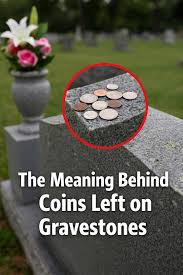
The tradition of leaving coins at graves stretches back thousands of years. In ancient times, coins were placed with the dead as payment for the journey beyond life. The Greeks believed a soul needed a coin to pay Charon, the ferryman who carried spirits across the river Styx. Without it, the dead were doomed to wander, unable to find rest. Even then, a small piece of metal carried enormous meaning: safe passage, remembrance, dignity.
Over time, the practice evolved.
In modern cemeteries—especially military ones—coins have taken on new, deeply personal meanings. Each coin tells a different story, not with words, but with intention.
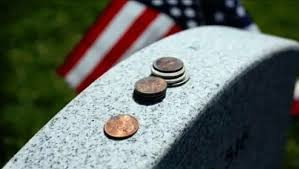
A penny left on a grave often means, “I was here. You are remembered.” It may come from a stranger, someone who never knew the person in life but honors their existence in death. It’s a quiet acknowledgment: your life mattered.
A nickel usually means the visitor trained with the deceased, perhaps at boot camp or during early service. It says, “We shared the beginning.”
A dime carries even more weight. It means the person leaving it served alongside the deceased. They stood together, worked together, possibly faced danger together. It is a bond forged in moments few others understand.
And a quarter—the heaviest coin—means, “I was there when you died.” It speaks of final moments, of witness, of carrying memory that never fades. Many who leave quarters do so silently, placing them gently, then walking away without another word.
In some cultures, coins near graves also symbolize offerings—small gifts meant to ensure the departed are not forgotten or left wanting. In others, they represent balance: something given in return for memory, as if remembrance itself has weight.
Sometimes, families leave coins not for tradition, but for comfort. A parent leaves change from their pocket because it’s all they have in that moment. A child places a shiny penny because it feels right. A friend leaves a coin because words fail.
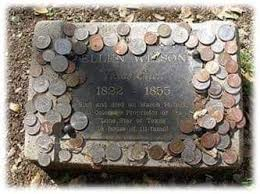
Over time, rain may wash the coins away. Groundskeepers may remove them. But the act itself lingers. The meaning doesn’t vanish when the metal does.
Coins near graves are never about money. They are about presence. About saying, “I came. I remembered. You are not alone.”
In a world that moves too fast, those small circles of metal slow time for just a moment—reminding us that remembrance doesn’t need grandeur. Sometimes, all it takes is a single coin, placed with intention, to speak louder than any monument ever could.