A Moment on the Ice, a Life Saved, and What Followed
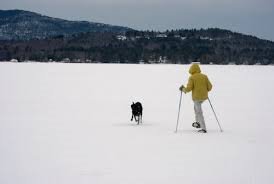
I wasn’t planning on stopping that day. I was just walking along the edge of the lake, like I usually do in winter, checking the ice and enjoying the quiet. Everything looked solid at first glance. The lake was frozen over, calm, almost peaceful.
Then I heard something that didn’t belong.
At first, I thought it was the wind moving under the ice, but the sound came again—sharp, strained, almost like a cry. I followed it toward the middle of the lake and that’s when I saw movement under the ice. A shape, struggling.
It was a fox.
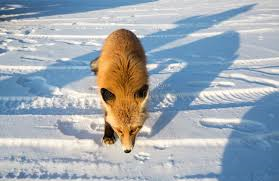
The animal had fallen through a weak spot and was trapped beneath the surface, swimming just under the ice, clearly exhausted. I could see its legs pushing upward, its claws scraping, but it couldn’t break through. Every second mattered. The water was freezing, and the fox was running out of strength.
I knew I couldn’t stand or walk out there. I dropped to my knees and crawled, spreading my weight as much as I could. The ice cracked in places, and I could feel how thin it was. When I reached the spot where the fox was trapped, I started smashing the ice with my hands and whatever I could grab. My fingers went numb almost immediately, but I didn’t stop.
After several strikes, the ice finally gave way.
The fox shot up through the opening, gasping and scrambling, climbing over the broken ice with everything it had left. It didn’t hesitate or look back. The moment it was free, it ran—slipping at first, then finding its footing and disappearing into the trees along the shoreline.
I stayed there for a moment, catching my breath, my hands shaking from the cold and the adrenaline. It all happened fast, but it didn’t feel that way while it was happening. I just kept thinking that if I had walked a little farther, or ignored the sound, that fox wouldn’t have made it.
I didn’t save it because I felt brave. I did it because there was no one else there—and sometimes, that’s all it takes.
A few days later, I went back to the lake, not really expecting to see anything, but just to check. Near the treeline, I noticed tracks—small, quick steps in the snow, clear and steady. They weren’t staggered or dragging. That alone told me a lot.
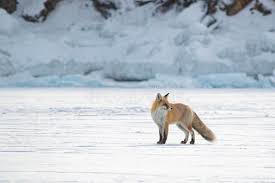
Since then, I’ve seen the fox twice more. Its coat looks full again, no stiffness in its movement, no signs of injury. It runs easily, alert and fast, the way a healthy animal should. Whatever shock it went through under the ice, it recovered. Wild animals don’t get second chances often, and this one clearly used it.
Seeing it now, moving confidently and hunting on its own, makes everything that happened feel worth it. The cold, the risk, the moment of fear—it all fades when you know the animal didn’t just survive, but truly recovered and returned to the life it belongs to.