Purple Veins on Your Legs? Here’s What They Could Be Telling You
Noticing purple or bluish veins on your legs can be unsettling—especially if they seem to be appearing more clearly over time. While they’re common and often harmless, visible veins can sometimes signal changes in your circulation or lifestyle that are worth paying attention to.
What Are Purple Leg Veins?
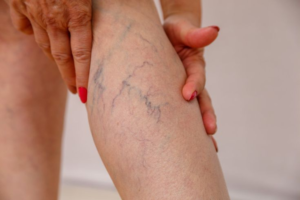
Purple veins on the legs are usually spider veins or varicose veins.
-
Spider veins are small, thin veins that appear close to the skin’s surface and often look red, blue, or purple.
-
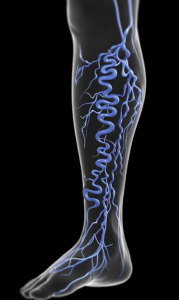
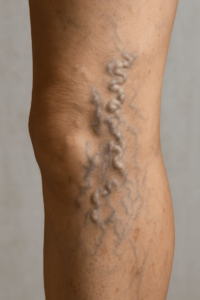
Varicose veins are larger, raised, and may bulge or twist under the skin.
Both occur when valves in the veins weaken, allowing blood to pool instead of flowing efficiently back to the heart.
Common Causes
Several factors can contribute to visible leg veins:
-
Genetics: Family history is one of the biggest predictors.
-
Age: Vein walls and valves naturally weaken over time.
-
Standing or sitting too long: Jobs that keep you in one position can increase pressure in leg veins.
-
Pregnancy: Increased blood volume and hormonal changes can strain veins.
-
Weight changes: Extra pressure on the legs can affect circulation.
-
Hormonal shifts: Birth control or menopause may play a role.
Are They Dangerous?
In many cases, purple veins are cosmetic and don’t pose a serious health risk. However, if they’re accompanied by symptoms like:
-
aching or heaviness in the legs
-
swelling
-
burning or throbbing pain
-
skin changes or sores
…it may indicate chronic venous insufficiency, and a healthcare professional should evaluate it.
What You Can Do
If purple veins bother you or seem to be worsening, these steps may help:
-
Move regularly: Walking boosts circulation.
-
Elevate your legs: Especially after long days.
-
Wear compression stockings: They support blood flow.
-
Maintain a healthy weight: Reduces pressure on veins.
-
Avoid long periods of standing or sitting: Take breaks to stretch.
Treatment Options
For those seeking treatment, modern options are widely available, including:
-
Sclerotherapy
-
Laser therapy
-
Minimally invasive vein procedures
A vein specialist can recommend the best option based on your symptoms and overall health.
The Bottom Line
Purple veins on your legs are common—and often harmless—but they’re also your body’s way of communicating. Paying attention early can help you manage discomfort, improve circulation, and feel more confident in your skin.
If you’re ever unsure, it’s always worth checking in with a medical professional. Sometimes, peace of mind is the best treatment of all.