The Secret Behind the Bow-and-Arrow Symbols on Some U.S. Dollar Bills
If you’ve ever examined a U.S. dollar bill and spotted a small symbol, stamp, or odd-looking mark that doesn’t seem to belong, you’re not imagining things. Some bills carry tiny arrows, stars, or abstract shapes that appear subtly printed or stamped onto the paper. At first, they can seem strange or even secretive, as though the bill is hiding a message. These marks aren’t part of the original design, and they aren’t random defacement either. They are traces of a journey that stretches far beyond the United States.
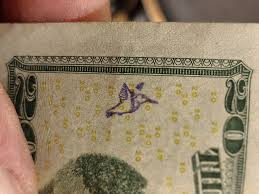
These markings are known as chop marks. They are small stamps added by money changers, merchants, or currency handlers in foreign countries to show that a bill has been examined and confirmed as genuine. In places where counterfeit money is a major concern, quick visual verification is crucial. A simple stamp—sometimes shaped like an arrow, a symbol, or a small emblem—acts as a quiet seal of approval. It signals to the next person that the bill has already been checked and trusted, helping transactions move faster and with less risk.
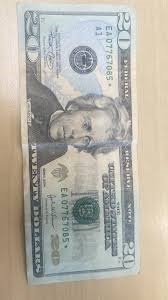
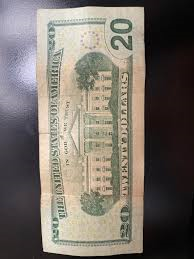
The practice of using chop marks goes back hundreds of years, particularly in China, where traders stamped silver coins to certify their weight and purity. The term “chop” comes from this long-standing tradition. As international trade grew and paper currency spread, the custom evolved with it. Because the U.S. dollar is accepted and circulated worldwide, it became one of the currencies most often marked in this way. Each stamp represents a moment when the bill passed through another market, another set of hands, and another system of trust based on human judgment rather than technology.
While U.S. law forbids damaging currency to the extent that it loses value, chop marks do not violate that rule. They don’t alter the bill’s denomination or invalidate it as legal tender. That said, bills with heavy markings may sometimes be rejected by vending machines or examined more closely by banks simply because they look unusual. Even so, their value remains unchanged. Instead of diminishing the bill, these marks add a layer of hidden history—transforming an ordinary dollar into a well-traveled artifact that has crossed borders and cultures, carrying proof of where it’s been and how it earned trust along the way.